

30 seconds summary
- Smart home security gives both renters and homeowners flexible ways to protect their space without relying on expensive traditional alarm systems.
- Renters can use non-invasive options like indoor cameras, door sensors, and portable alarms, while homeowners can expand to outdoor cameras, smart locks, floodlights, and garage monitoring.
- The best setup is easy to use, protects privacy, fits the property, and balances safety, convenience, and cost. Even a simple system can add real peace of mind.
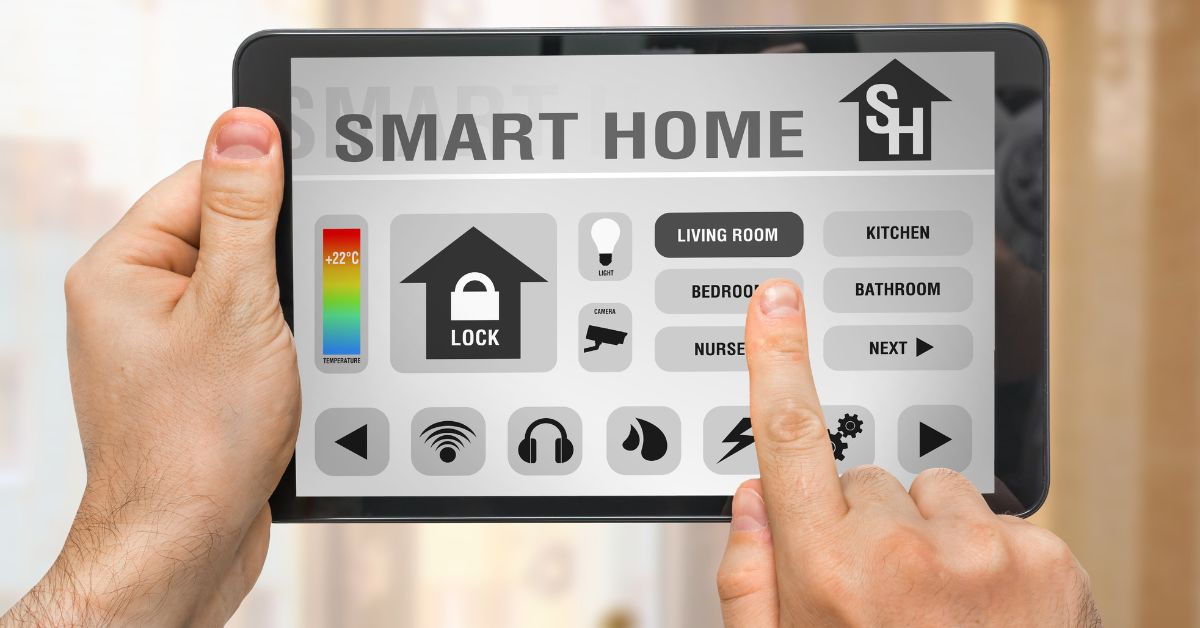

Home security is no longer limited to expensive alarm systems, complex wiring, or professional monitoring contracts. Today, smart home technology has made it possible for both renters and homeowners to protect their spaces with flexible, affordable, and highly effective tools. Whether someone lives in a studio apartment, a suburban townhouse, or a detached family home, modern security devices can be customized to fit different property types, budgets, and lifestyles.
The growing popularity of smart home security is driven by convenience as much as safety. People want to know when a package arrives, when a door opens unexpectedly, or when motion is detected near a window or driveway. They also want systems they can control from their phones, whether they are at work, traveling, or simply upstairs. This demand has led to a wide range of devices, including smart cameras, doorbell cameras, motion sensors, video intercoms, smart locks, leak detectors, and full home automation hubs.
Flexible Options for Renters and Homeowners
For renters, the challenge is often finding security solutions that do not require drilling holes, rewiring walls, or making permanent changes to the property. For homeowners, the focus may be broader, involving outdoor perimeter protection, garage security, multi-room monitoring, and integration with lighting and alarm systems. The good news is that smart home security can work well for both groups, provided the system is chosen thoughtfully.
The Benefits of Scalability in Smart Security Systems
One of the biggest advantages of smart security solutions is scalability. A renter can begin with a single indoor camera and a door sensor, while a homeowner can start with a video doorbell and later expand into floodlight cameras, window sensors, and automated locks. Many systems are modular, which means users can build a setup gradually rather than making one large purchase upfront. This flexibility makes smart security far more accessible than traditional systems once were.
Key Smart Security Devices for Renters
Smart cameras are often the starting point for most people. Indoor cameras help monitor entryways, living rooms, nurseries, and pets, while outdoor cameras provide visibility over porches, driveways, backyards, and garages. Features such as motion detection, night vision, two-way audio, and cloud or local storage make these devices much more useful than simple recording cameras of the past. Some users prefer a solar powered wifi camera for outdoor coverage in areas where frequent battery charging or direct power access would be inconvenient. That option can be especially attractive for sheds, gates, side yards, or detached structures.
Essential Smart Security Devices for Homeowners
For renters, non-invasive installation is key. Peel-and-stick sensors, tabletop cameras, tension-mounted video doorbells, and battery-operated smart locks are especially useful because they avoid permanent alterations. A renter might place a camera on a bookshelf facing the front door, install contact sensors on accessible windows, and add a portable alarm hub near the entrance. These devices can often be removed easily at move-out time, making them practical for temporary living arrangements.
Video doorbells deserve special attention because they provide a blend of convenience and security. They allow residents to see who is at the door, speak with visitors remotely, and receive alerts when motion is detected. For homeowners, they are excellent for managing deliveries and screening unknown visitors. For renters, they can be useful if the lease allows them or if the property layout supports a non-permanent mount. Even where video doorbells are not feasible, peephole cameras or door-mounted cameras can offer similar benefits.
Smart locks are another major advancement. Instead of relying solely on physical keys, users can lock and unlock doors through an app, assign temporary codes to guests or service workers, and receive notifications when someone enters. Homeowners often appreciate the ability to create access schedules for cleaners, contractors, or family members. Renters need to be more cautious, since lock replacement may require landlord permission, but there are retrofit smart locks that fit over existing deadbolts without changing the exterior hardware. This can be an excellent compromise between security and lease compliance.
Door and window sensors may seem simple, but they remain some of the most effective security devices available. These small sensors alert users when a door or window is opened unexpectedly. In a rental apartment, they can help secure balcony doors, patio sliders, or windows facing fire escapes. In larger homes, they can monitor less frequently used areas such as basements, side entrances, or guest rooms. When connected to a smart hub, these sensors can trigger alarms, lights, or camera recordings automatically.
Motion sensors add another layer of awareness. Placed in hallways, near entry points, or in shared living spaces, they can notify residents of movement when the home is supposed to be empty. They can also be used more creatively. For example, a motion sensor in a living room can trigger lights after dark, making it seem like someone is home. This deterrent effect is important because security is not only about catching incidents but also about discouraging them before they happen.
Lighting plays a surprisingly large role in home security. Smart bulbs, light switches, and outdoor floodlights can simulate occupancy, illuminate dark corners, and startle unwanted visitors. Homeowners benefit from motion-activated lighting along paths, garages, and backyards. Renters can use smart lamps or plug-in lighting schedules to create the appearance of activity. When connected with cameras or door sensors, lights can turn on automatically when motion is detected, increasing both visibility and deterrence.
Self-Monitoring vs. Professional Monitoring
Another major decision is whether to choose self-monitoring or professional monitoring. Self-monitoring means alerts go directly to the user, who decides how to respond. This is often appealing to renters and budget-conscious homeowners because it avoids monthly fees. Professional monitoring, on the other hand, can dispatch emergency services if an alarm is triggered and the user does not respond. Homeowners with large properties or families may prefer this added layer of protection. Neither choice is universally better; the right option depends on lifestyle, budget, and risk tolerance.
Understanding the Cost of Smart Home Security
Cost is often less intimidating than people expect. A basic renter-friendly setup might include one indoor camera, two entry sensors, and a smart plug for scheduled lighting. A homeowner’s starter system might include a doorbell camera, a smart lock, and a few sensors. Many brands offer bundles that reduce the price per device. The real financial challenge is not always the upfront hardware cost but recurring subscription fees for cloud storage, AI detection features, or professional monitoring. Buyers should calculate the long-term cost of ownership rather than focusing only on the initial price tag.
Ease of Use and Interoperability in Smart Security
Ease of use should never be underestimated. A security system that is too complicated will not be used consistently. Residents should be able to arm, disarm, review footage, and manage alerts without confusion. App design matters. Notification settings matter. Integration with voice assistants and smart displays can be convenient, but only if they simplify routines rather than creating more clutter. The best systems strike a balance between advanced capability and daily practicality.
Tailoring Security to Your Neighborhood and Lifestyle
Neighborhood context matters too. A downtown apartment with secured entry may need a different setup than a rural home with detached buildings. Families with children may prioritize door alerts and backyard cameras, while frequent travelers may care more about remote access and recorded footage. Pet owners may want cameras that distinguish between animal movement and human motion. The smartest approach is not to buy the most devices possible, but to identify the most likely risks and address them deliberately.
Psychological Benefits: Reducing Stress with Smart Security
There is also a psychological benefit to smart home security. Peace of mind has real value. Being able to check whether the front door is locked, see who rang the bell, or confirm that the house is quiet while away can reduce stress significantly. This reassurance is especially meaningful for people who live alone, travel often, or have experienced theft in the past. While no system can guarantee total safety, a well-designed smart security setup can create a strong sense of control and preparedness.
Conclusion
For renters, the ideal system is portable, lease-friendly, and easy to reinstall in a new home. For homeowners, the ideal system is durable, expandable, and integrated across the property. In both cases, the core principles are the same: secure entry points, monitor activity, improve visibility, protect privacy, and keep the system simple enough to use every day. Technology should support safer living, not create confusion or dependency.
In the coming years, smart home security will likely become even more intelligent through better automation, improved object recognition, stronger privacy tools, and broader device compatibility. But even now, the options available are powerful enough to make a meaningful difference. A thoughtful combination of cameras, locks, sensors, lighting, and mobile control can help renters and homeowners alike create safer, more responsive living spaces.
Ultimately, smart home security is no longer a luxury reserved for high-end properties. It is a practical solution for ordinary people who want to protect what matters most. Whether someone is renting a one-bedroom apartment or managing a family home, there is a system that can match their needs. The key is not to chase every feature, but to choose reliable tools that fit the space, respect the user’s lifestyle, and provide confidence every day.