

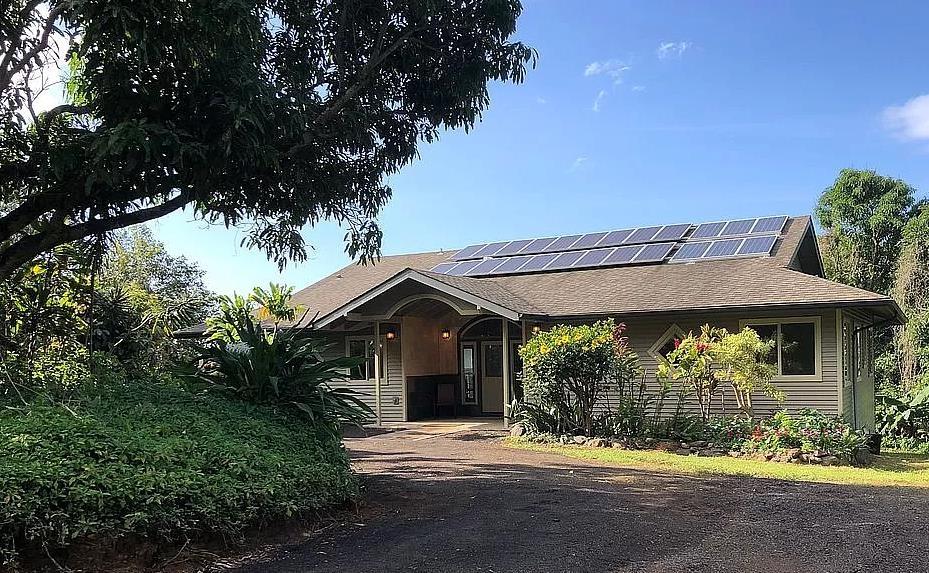
A modern off-grid home in Haiku, Maui, featuring rooftop solar and tropical landscaping.
Haiku is a rural district on the northern section of Maui and located about 20 minutes east of Paia. Known for its lush landscape, large land parcels, and laid-back atmosphere, this is where Maui’s tropical countryside thrives.
Distance from urban bustle and closer connection to nature are two key things that draw people to this community. That’s why in Haiku, it’s common to find homes that have off-grid capabilities, be it fully off-grid or a hybrid setup.
If you’re in the market for off-grid homes for sale in Hawaii, then Haiku Maui real estate has some great options for you to consider.
But first, you need to know what to look out for when buying an off-grid home in Haiku specifically. Read on to find out.
Why Haiku, Maui is ideal for self-sufficient living
Haiku is a great community if you’re seriously thinking about living off the grid in Hawaii. Its rural zoning and tropical landscape lend themselves well to self-sufficient living.
Parcels here are often measured in acres (2 to 3 acres or more is typical) giving owners the flexibility to install solar arrays, manage water catchment systems, build productive gardens, raise animals, or simply enjoy privacy and open space.
Land conditions are favorable as well. Rich soil, consistent rainfall, and year-round growing conditions support a range of uses, from food cultivation and permaculture to wellness retreats and creative compounds.
Many properties already have the infrastructure for this kind of lifestyle. But if you want a bigger canvas to play with, you can also find other listings that aren’t as built out — but have the topography and elevation necessary to create your own off-grid setup.
How to evaluate raw off-grid land in Haiku, Maui
Not all off-grid land for sale in Hawaii is the same. In Haiku, zoning, accessibility, and infrastructure can vary dramatically. Make sure to do a thorough assessment of each option.
Here are some key questions to ask:
- Is there legal access? Confirm driveways, easements, and shared use agreements.
- What’s the topography like? Steep or uneven parcels may limit buildability or require significant grading.
- What utilities, if any, are in place? Is there an existing septic system, water catchment, or solar infrastructure?
- Has the land been cleared or maintained? Overgrown jungle can hide erosion, poor drainage, or unstable soil.
- Are there county records or prior permits? Previous site prep, plans, or permits can save significant time and costs.
The pillars of an off-grid home in Haiku, Maui
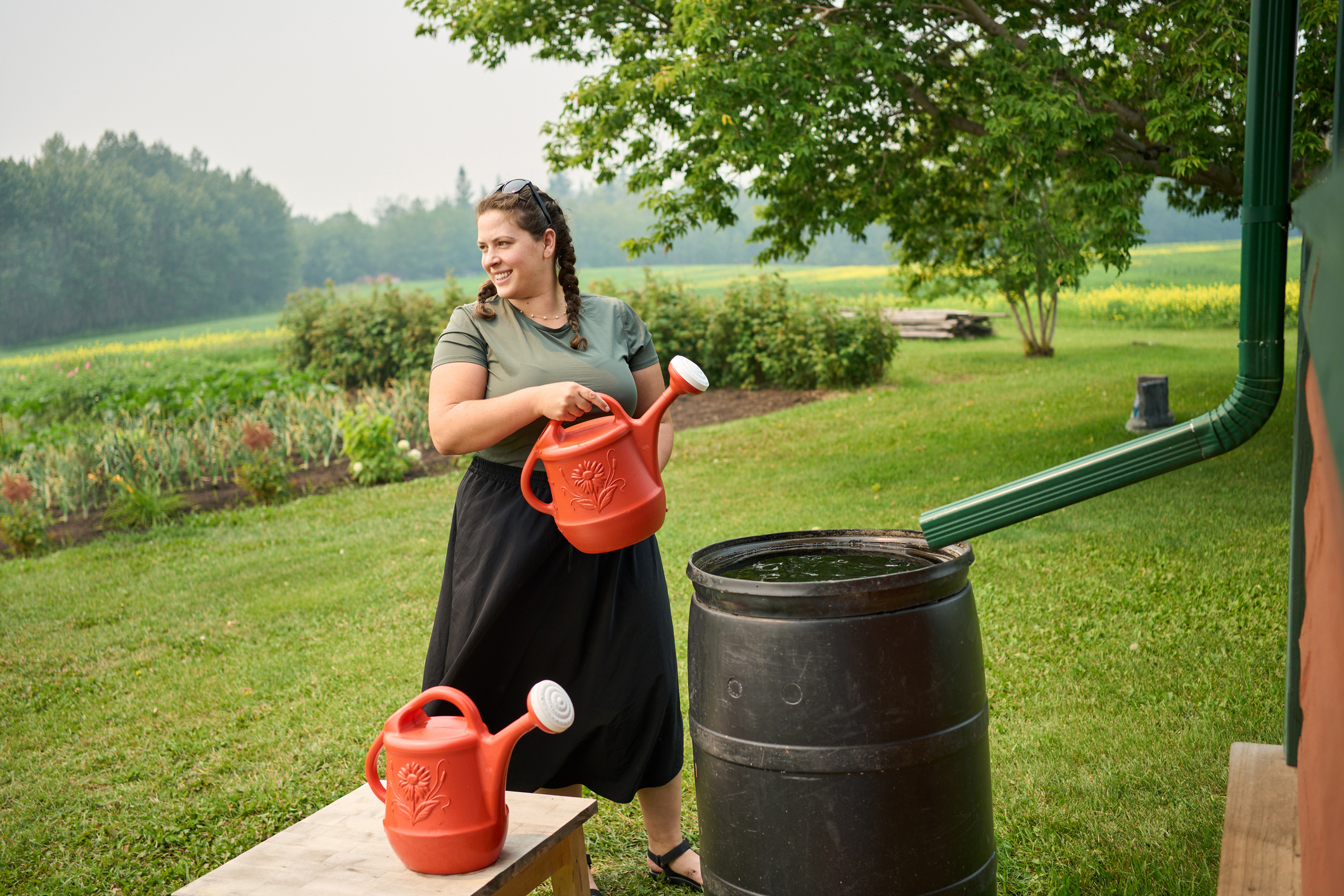
Using a rain catchment system for garden irrigation is an integral part of off-grid living in Haiku, Maui.
Whether you’re considering a fully off-grid setup or a hybrid home with access to some county services, it’s important to familiarize yourself with the pillars of an off-grid system: solar, water, and septic systems.
Power: solar panels, battery, backups
Solar energy is a common and practical solution in Haiku, but systems vary in quality, design, and condition. Buyers should carefully evaluate:
- Solar panel age and current output efficiency
- Inverter health, wiring layout, and any known service issues
- How the installation may affect the roof’s lifespan or warranties
In a humid, coastal climate like Haiku’s, corrosion-resistant materials are essential. Look for panels rated for tropical environments, ideally with a 25–30 year lifespan. If the system is 10+ years old, verify expected replacement costs and whether the roof may require upgrades at the same time.
Battery capacity is another critical thing to consider, especially during Haiku’s rainy stretches or cloudy weather.
For homes targeting energy independence, a capacity of 13.5 to 27 kWh — roughly one to two Tesla Powerwalls — offers a solid foundation. For essential backup only (refrigerator, Wi-Fi, lights, and a medical device), 5 to 10 kWh may be sufficient for short outages. However, 20 kWh or more is recommended for multi-day reliability or homes with higher energy loads, such as air conditioning, EV chargers, or pool systems.
Here are key questions to ask:
- What is the current battery capacity and brand?
- How many charging cycles has the battery gone through?
- When was it installed, and is there a replacement plan or warranty?
Next, a backup generator provides peace of mind, ensuring you have reliable power when solar and batteries alone aren’t enough.Make sure to inspect the following when considering a backup generator:
- Fuel type (gasoline, diesel, propane) and storage safety
- Noise levels and placement relative to living areas
- Maintenance records and how frequently the generator is used
Note: It’s a mistake to assume that a solar setup means zero electric costs. Solar systems require maintenance, batteries have a shelf life, and many off-grid homes still rely on generators for full reliability.
Water: catchment, wells, or county
Water infrastructure varies across Haiku and can dramatically impact daily life, costs, and resale potential of the property.
Catchment systems
Rainwater catchment is a common water source for homes in Haiku, especially at higher elevations where county water is limited or unavailable. These systems can be highly effective, but they require proper design, upkeep, and sizing to meet daily and emergency needs.
Here’s what you need to consider:
- Tank size: For a household of four, a 10,000 to 15,000-gallon tank is typically recommended. This size avoids the need for a Maui County building permit (required only for tanks over 15,000 gallons) and provides a basic buffer for dry periods. Larger tanks, 20,000 gallons or more, are preferred for homes with gardens, livestock, or during extended droughts.
- Filtration system: Confirm if there are filters in the property. Most systems use UV, reverse osmosis, or multi-stage filtration, which must be maintained regularly to ensure safe drinking water.
- Pump health and delivery pressure: Inspect the pump for age, noise, pressure consistency, and recent service.
- Maintenance history: Ask for documentation of tank cleanings, filter changes, and pump service, ideally performed on an annual schedule.
Private wells
Wells are more common on mid- to lower-elevation parcels. Important questions to consider:
- Is there a valid water permit on file?
- What is the depth and yield of the well?
- Has a recent water quality test been completed?
- What’s the age and condition of the pump and control box?
County water
In some neighborhoods, especially near Haiku town or subdivision pockets, county water is available — which is very convenient and a big selling point for many buyers for the following reasons:
- Lower perceived maintenance
- Easier lending and insurance processes
- More predictable costs and permitting
Septic and waste systems
Most Haiku homes outside of subdivision clusters rely on individual septic systems. Unlike urban sewer hookups, these systems must be actively maintained and monitored.
Older or neglected systems may need replacement or repair, which can delay escrow, raise insurance concerns, or affect financing approval. Newer systems with engineering drawings, service records, and permits tend to reduce buyer hesitation and support smoother closings.
When evaluating a septic system, it’s important to:
- Confirm the age of the system
- Request the last pumping and inspection records
- Check for visible signs of failure, such as soggy leach fields or persistent odors
What you need to know about living in Haiku’s unique environment

Rainfall in Haiku can vary widely based on elevation and location. Lower coastal areas may receive 40–60 inches per year.
In Haiku, upkeep and maintenance are non-negotiables. Nature can quickly take over here, whether it’s through heavy rains, constant moisture, and jungle growth. Regular attention must be given to drainage systems, pest control, and trimming back vegetation.
With the right expectations and a proactive approach to maintaining your home, off-grid living in Haiku can be even more comfortable.
Here’s what to take into account.
Climate and moisture management
Rainfall in Haiku can vary widely based on elevation and location. Lower coastal areas may receive 40–60 inches per year, while upper elevations especially in Mountain Haiku can exceed 100 inches annually.
The high humidity and consistent rainfall in this environment demand smart airflow. Homes need proper ventilation, screened openings, and rooflines that encourage natural cooling.
In addition, materials should be selected for mold resistance, and enclosed areas like closets, crawlspaces, and eaves should be monitored regularly for condensation or mildew.
Maintenance priorities in Haiku
Key areas of upkeep include:
- Roof and gutters: Clear debris often, especially after storms. Look for early signs of leaks or sagging, and use materials rated for high-moisture environments.
- Drainage and erosion: Watch how water moves across the land during heavy rain. Redirect runoff away from structures and maintain grading around foundations.
- Pest and termite control: Moisture and wood attract termites, ants, and rodents. Regular inspections and proactive treatment help prevent long-term damage.
- Jungle growth: Plants thrive year-round. Regular trimming of trees, vines, and invasive species helps preserve airflow, reduce fire risk, and maintain structural clearances.
How off-grid systems affect resale value in Haiku
If you also want to be prepared for the possibility of selling your home down the line, then off-grid systems are definitely standout features. Just make sure they’re well-designed, duly permitted, and easy for future owners to manage.
The off-grid lifestyle appeals to a certain segment of buyers like:
- Eco-conscious individuals who prioritize sustainability and resource efficiency
- Privacy seekers looking to live without neighbors directly adjacent to the property
- Anyone looking to try their hand at growing their own produce
- Wellness retreat owners who value a relatively remote environment away from city life
- Remote workers and digital nomads seeking peace, flexibility, and autonomy
Focus on features that add value
Features that consistently increase resale appeal include:
- Modern solar arrays paired with current-generation battery storage systems
- Efficient, well-maintained water systems, including clear filtration specs and recent maintenance logs
- Up-to-date documentation for all major systems, from septic permits to battery warranties
- Professional design and labeling, so new owners can easily understand how the property works
- Clearly laid out maintenance routines to give buyers an overview of upkeep
Avoid these value busters
These are some of the key red flags when considering off-grid homes. Buyers may still consider properties that have the following, but expect longer decision cycles, financing hurdles, and more price negotiation.
- DIY infrastructure with no clear labeling or visible logic
- Outdated systems (15+ years old) nearing the end of their usable lifespan
- Missing documentation, particularly for septic permits, water quality tests, or solar production
- Systems without backup solutions, such as catchment-only homes with no secondary water source
FAQs around off-grid living in Haiku

Since traditional mortgages may not apply in this local market, it’s essential to plan financing early and partner with a lender who understands the realities of rural Haiku properties.
1. Is off-grid living legal in Haiku, Maui?
Yes. Off-grid systems like solar, catchment, and septic are common in Haiku, provided they meet permitting and environmental health standards. Always verify permits and compliance during the due diligence phase.
2. Can I get a mortgage on an off-grid home in Haiku?
Yes, but it often requires working with specialized, local lenders and being prepared for a larger down payment, typically 20% to 30%. Conventional loans like FHA or USDA are rarely approved for off-grid properties due to appraisal and infrastructure requirements.
To qualify, the home must be considered habitable and marketable, with permitted solar, water, and septic systems. Many buyers pursue portfolio loans or even raw land financing, especially if the property has minimal improvements. In some cases, seller financing may also be an option.
Because traditional mortgages may not apply, it’s essential to plan financing early and partner with a lender who understands the realities of rural Haiku properties.
3. How do I know if the water is safe to drink?
Request recent water quality tests for catchment or well systems. Also review filtration type, maintenance logs, and backup water availability if needed.
4. Do off-grid homes in Haiku still get internet service?
Yes. Many rely on satellite internet or cellular-based providers (e.g., Starlink, AT&T, Verizon). Connection strength can vary by location, so make sure to test the signal at the property.
5. How often do solar batteries need replacing?
High-quality lithium-ion batteries (like Tesla Powerwalls) last 10–15 years with proper care. Replacement cost should be factored into long-term budgeting.
6. Are off-grid homes harder to resell?
Not necessarily. How fast you can sell an off-grid home will largely depend on the condition of the property and how well it’s been maintained — just like in any other type of property.
Buying off-grid in Haiku, Maui doesn’t mean you’re on your own
Off-grid living here is practical, but every property comes with its own set of challenges — microclimates, varying topography, and unpredictable access roads. That’s why working with a tried and true local real estate expert is essential.
Dave Futch has lived in Haiku since 1988 and has been guiding buyers and sellers through Maui’s rural markets for over 35 years. He understands the microclimates, zoning, infrastructure, and land-use realities that define off-grid and hybrid properties.
When it comes to Haiku, Maui real estate, Dave brings clarity, context, and the kind of on-the-ground knowledge that turns complex real estate transactions into confident investments.
Call 808.280.9600 or send us an email to explore Haiku properties for your off-grid lifestyle.