
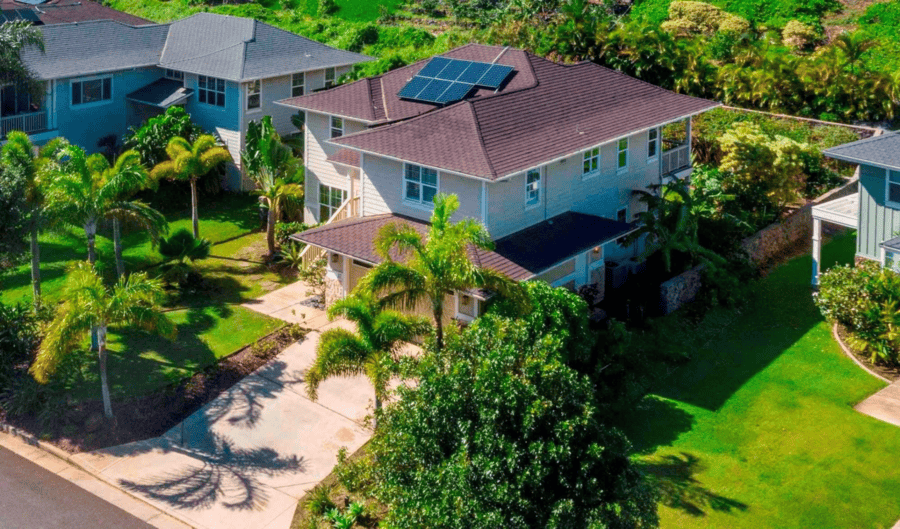
A well-presented Maui home gives buyers a clearer read on its condition, setting, and strongest features.
Selling Maui real estate takes more than just deciding on an asking price and taking good photos. Depending on the property, you may need to sort out permit records, water-service questions, association documents, accessory dwelling details, and other documentation.
That’s a lot of work to handle on your own. This guide breaks down which details deserve your attention first, and how there’s a better way to sell your home in Maui.
Let’s start with the most important one.
Table of Contents:
- Find the right price for your Maui home
- Prepare the property before listing
- Get all the essential property records in order
- Highlight the features that buyers find useful
- Find the right timing to list your Maui home
- Know what comes out of your net proceeds
- Sell your Maui property fast with Dave Futch
Find the right price for your Maui home
Pricing a Maui home starts with identifying the properties buyers are most likely to compare it with. A broad market figure can provide context, but it can’t account for differences in community, property type, condition, lot size, views, or improvements.
Pricing should start with two things:
- Recent comparable sales – These show what buyers have actually paid for similar properties.
- Current competing listings – These show what buyers can choose from now and how your property is likely to be compared.
From there, you can account for differences such as usable acreage, permitted improvements, an additional dwelling, newer systems, privacy, views, and overall condition.
Recent sales tell you where buyers have been. Active listings tell you what they’re seeing now. Looking at both gives you a more useful pricing framework than relying on a Maui-wide median alone.
Prepare the property before listing
Pre-listing preparation is not about making a home look perfect. What it’s really about is helping buyers envision themselves living in that space. Make it a point to remove distractions around the property that could make buyers doubt its condition and overlook its best features.
In the National Association of Realtors® (NAR) 2025 Home Staging Report, 83% of buyers’ agents said staging made it easier for buyers to visualize a property as their future home.
Before scheduling photography and showings, focus on:
- Deferred maintenance: – Address visible issues that could raise questions about how well the property has been cared for.
- Curb appeal – Clean up the entry, landscaping, and exterior areas buyers notice first.
- Clutter – Clear enough furniture and belongings for buyers to understand the size and function of each space.
- Furniture placement – Arrange rooms so the layout and traffic flow are easy to read.
- Outdoor areas – Clean and prepare lanais, yards, gardens, and other usable exterior spaces.
- Standout features – Make sure views, storage, outdoor living areas, and recent improvements don’t get lost in the presentation.
Remember: Small and seemingly minor details can lead to bigger questions. If buyers notice signs of deferred maintenance during a showing, they may start wondering what else needs attention.
Get all the essential property records in order
Some Maui properties come with questions buyers will want answered before they’re comfortable moving forward. Getting those details organized early can make the listing easier to explain and reduce delays once the property is under contract.
Depending on the property, those can include:
- Land use and improvements – Zoning, permits, accessory dwellings, agricultural use, and documentation for existing structures.
- Water and utilities – Water service, meters, wastewater systems, private systems, and solar equipment. These details can be especially important for rural and Upcountry properties.
- Sustainability features – Solar, efficient cooling, water-conscious landscaping, and other features that may affect how the home operates.
- Views and outdoor areas – Lanais, gardens, usable yard space, views, and other features that contribute to how the property is used.
- Property records – Permits, warranties, invoices, association documents, and records for major improvements.
Take note: You should also prepare the documents required for disclosure. Hawaii law generally requires a seller disclosure statement for covered residential sales. If the property is subject to a recorded declaration or certain use restrictions, additional governing documents may also be required.
Highlight the features that buyers find useful

Outdoor living areas should be shown as usable space, with attention to how they connect to the home, views, and surrounding landscape.
A strong listing doesn’t just point out that a home has a lanai, mature landscaping, or extra storage. It explains why those features matter on that particular property.
That’s especially important on Maui, where the usefulness of a feature can depend on how the home is situated on a piece of land, how close you are to the coastline, how outdoor areas connect to the interior, where views open up, and how much privacy the landscaping provides.
Rather than creating a laundry list of features and treating them all as a selling point, the better question is: Does it make the property functional?
Take for example:
- A lanai. Don’t stop at showcasing square footage. Consider how it connects to the main living areas, where it faces, what it overlooks, and whether it functions as usable living space.
- Landscaping. Mature planting may provide privacy, shade, or visual interest, but it can also affect views and how buyers understand the lot.
- Storage and utility areas. Garages, outdoor rinse areas, workshops, and equipment storage can matter more when they support a potential buyer’s lifestyle.
- Acreage. Buyers need to understand more than lot size. Usable areas, slope, access, gardens, additional structures, and the relationship between the house and the land can all change how a larger property presents.
- Views. Great photos matter, but so does where the view is experienced from — the kitchen, primary bedroom, lanai, yard, or several parts of the home
Find the right timing to list your Maui home
Maui’s resort and second-home markets can see more buyer activity during the winter months, when seasonal visitors are on the island. But that pattern doesn’t apply equally to every community, property type, or price range.
The December holidays can also affect supply of homes differently. Some owner-occupants may hold off on listing or temporarily withdraw a property, while second-home sellers may prepare for winter buyers.
But while seasonality is important to factor in, you also need to ask yourself: What comparable properties are you competing with by the time you’re ready to list?
With that in mind, pay attention to:
- Available inventory – How many comparable properties are already for sale?
- Days on market – Are similar homes moving quickly, or sitting longer?
- Recent activity – Are comparable properties going under contract, closing, or reducing their prices?
- New competition – Are more similar listings likely to reach the market at the same time?
Know what comes out of your net proceeds
Before setting expectations around your net proceeds, account for the expenses and tax-related withholding that may apply to your sale.
These may include:
- Mortgage and lien payoffs
- Brokerage compensation and other agreed selling expenses
- Escrow, title, and transaction-related costs
- Hawaii conveyance tax, unless an exemption applies
- Hawaii Real Property Tax Act requirements, which usually subjects nonresident sellers to withholding. Hawaii resident sellers can generally certify an exemption from withholding.
- Foreign Investment in Real Property Tax Act requirements, which may apply when the seller is considered a foreign person for federal tax purposes.
A preliminary net-proceeds estimate can give you a more realistic number to work with before you list. Your agent and escrow team can help identify transaction costs, while a tax professional can advise on your specific tax situation.
Sell your Maui property fast with Dave Futch
A well-prepared sale starts before the listing goes live. Pricing, presentation, documentation, timing, and expected proceeds all affect the decisions a seller makes before the first showing.
I’ve lived on Maui since 1988 and worked in local real estate since 1993. That experience gives me a holistic view of how Maui properties differ — and which details deserve attention when it’s time to sell.
Let’s take the stress out of selling a Maui home. Reach out to me at 808.280.9600 or via email so we can get started.