
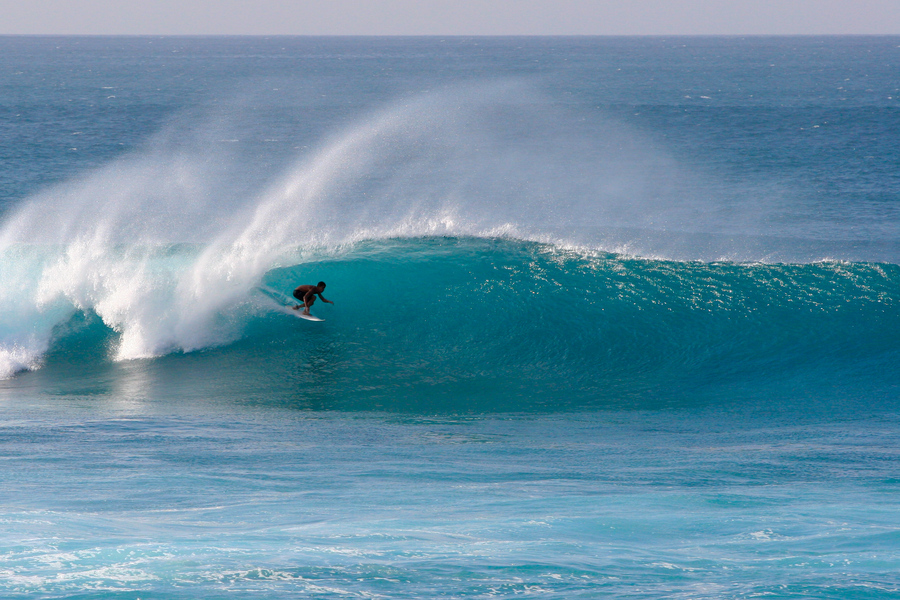
For buyers who spend a lot of time in the ocean, easy access to the right beaches can be a major factor when choosing real estate in Maui.
If you surf, dive, or generally spend a lot of time in the water, where you live on Maui can make a real difference. A home near the coast that looks convenient on first glance may feel less so once you factor in wind, seasonal ocean swells, parking, and the amount of gear you’re carrying.
That’s why choosing where to buy often comes down to the way you actually spend time on the water.
Table of Contents:
- Maui’s coastline gives you plenty of reasons to enjoy the ocean
- Which areas of Maui fit your ocean routine?
- What property features matter for your ocean routine?
- What considerations come with buying oceanfront real estate on Maui?
- FAQs about Maui real estate and coastal living
- Find a home in Maui with Dave Futch
Maui’s coastline gives you plenty of reasons to enjoy the ocean
Ocean recreation is a significant part of life on Maui. In a previous Maui County Parks and Recreation Needs and Preferences Survey of 2,754 respondents, 63.9% of households reported swimming in the ocean, 44% reported diving or snorkeling, and 41.1% participated in ocean sports. Surfing alone accounted for 29.1%.
What’s more, Maui County’s shoreline atlas identifies more than 200 public access locations and tracks practical details such as parking, facilities, and access type.
Where those activities happen, however, depends heavily on Maui’s geography. Maui County data describes the North Shore as exposed to large winter swells and trade-wind waves throughout the year. Kihei, meanwhile, is partly protected from large ocean swells by Lanai and Kahoolawe, although summer south swells reach the entire coastline. Even within South Maui, wind patterns can change from one stretch of coast to another.
For buyers who surf, dive, paddle, or swim regularly, those differences can make proximity to the right stretch of coastline more relevant than simply living near the ocean.
Which areas of Maui fit your ocean routine?
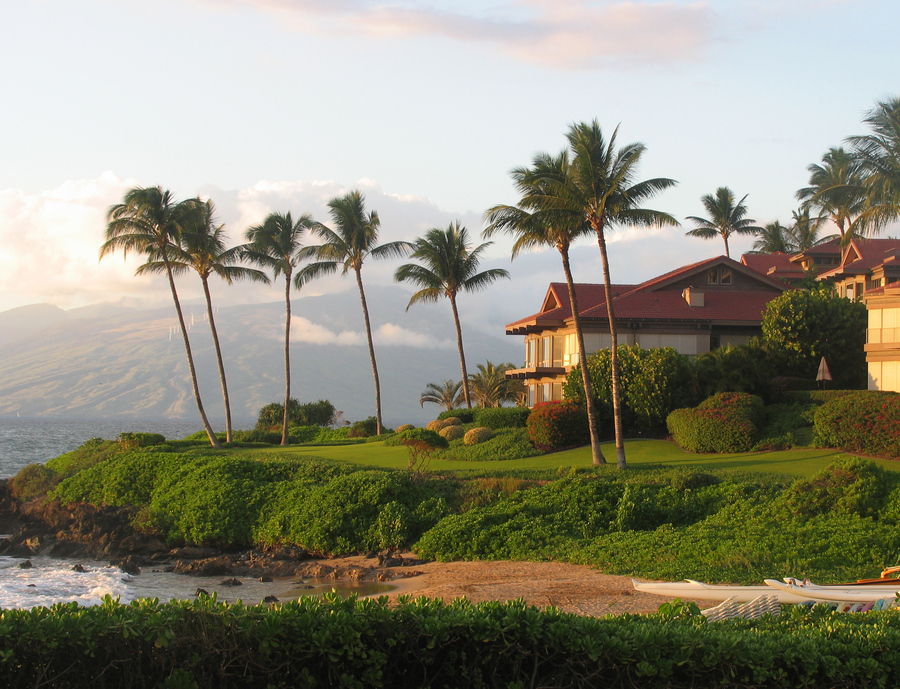
Maui real estate near the coast can make regular beach trips and water activities easier to work into your routine.
Maui’s coastlines differ in swell exposure, wind, and shoreline access that the most convenient part of the island can depend on the activities you frequent.
| Region | Activities often associated with the area | What stands out |
|---|---|---|
| North Shore (Paia, Spreckelsville, Haiku) |
Surfing, windsurfing, kiteboarding, and wing foiling | The North Shore is exposed to large winter swells and year-round trade-wind waves. Hookipa Beach Park is an established surfing and windsurfing venue, while Kanaha Beach Park is great for windsurfing, kiteboarding, canoeing, and other ocean recreation. |
| South Maui (Kihei, Wailea, Makena) |
Swimming, snorkeling, scuba/free diving, paddleboarding, and kayaking | Kihei’s southwest-facing coast is partly protected from large ocean swells by Lanai and Kahoolawe, although summer south swells affect the coastline.
Public access points include Kama’ole I, Kama’ole II, Kama’ole III, Ulua and Mokapu beaches, Makena Landing, and numerous smaller shoreline entries. |
| West & Northwest Maui (Kaanapali, Kapalua, Honolua) |
Swimming, snorkeling, scuba/free diving, and seasonal surfing | West Maui changes exposure as the coastline turns from southwest to northwest, and it receives both south-southwest and north-northwest seasonal swells.
Honolua Bay is a state-designated Marine Life Conservation District and a well-established location for snorkeling, diving, and surfing. Mala Historic Wharf has one of the island’s most vibrant artificial reefs, and wildlife sightings for white-tip reef sharks, sea turtles, and more. |
What property features matter for your ocean routine?
The type of ocean activity you enjoy can influence which features matter most for a home in Maui. Storage, vehicle access, outdoor rinse areas, and association rules may matter more than whether it’s a condo or single-family property.
If you’re into surfing, kiteboarding, or foiling
Boards, sails, kites, and foils take up space, so they’re easier to manage when a property has a garage, secure storage, or an outdoor area for rinsing and drying gear. If you’re considering a condo, it’s also worth checking whether the association allows boards and other equipment in common areas, elevators, or designated storage spaces.
If you’re into paddling or kayaking
Larger equipment makes driveway access, vehicle loading, and storage especially important. If you use trailers or roof racks, you’ll also want to consider parking rules, garage clearance, and how easily you can move equipment between the home and your vehicle.
If you’re into scuba or freediving
Oxygen tanks, weights, wetsuits, and other wet gear can make ground-floor access, secure storage, and outdoor rinse space worth prioritizing. If you regularly head out by boat, you may also put more weight on drive time to launch points such as Maalaea Harbor or Kihei Boat Ramp.
If you’re into swimming or snorkeling
These activities require less equipment, so convenient shoreline access may matter more than extensive storage. A condo or smaller home can work just as well if the beaches you use regularly are easy to reach.
🏖️ Mapping out your beach access
A home that looks close to the coast on a map may still involve limited parking, a longer walk to a public access point, or an inconvenient route when you’re carrying equipment. Maui County’s Shoreline Access Viewer can help you compare public access points, parking, facilities, and access type before deciding how well a property fits your usual ocean routine.

Easy access to Maui’s water activities can play a major role in deciding where to buy a home.
What considerations come with buying oceanfront real estate on Maui?
Oceanfront living can shorten the distance between home and the waterfront, but you would then have to manage wear and tear that naturally comes with coastal conditions right at your doorstep. On Maui, that makes erosion, development rules, insurance, and maintenance worth examining closely.
Erosion can affect more than the shoreline
Maui County reports that 85% of the island’s shorelines are experiencing long-term erosion. Its shoreline rules, updated in 2024, now use projected erosion and sea-level-rise data when establishing setbacks for many coastal properties.
For buyers, that makes a property’s current distance from the water only part of the picture. The County’s Shoreline Setback Viewer can help identify mapped erosion hazard lines and setback areas that may affect future construction or redevelopment.
Remodeling may come with additional rules
Properties close to the shoreline can fall within areas where certain construction, ground disturbance, additions, or shoreline-protection work requires County review or approval. Existing homes aren’t necessarily prevented from being repaired or improved, but what you can build — and where — may depend on the property’s setback and permitting status.
That’s particularly relevant if you’re buying with plans for a major renovation, pool, addition, or other exterior improvements.
Insurance deserves an early look
A standard homeowners policy doesn’t necessarily cover every coastal hazard. Hawaii’s Insurance Division notes that hurricane and flood coverage may require separate policies or endorsements.
Getting insurance information early in the search can give you a more realistic picture of the property’s ongoing costs rather than treating coverage as a detail to sort out before closing.
Oceanfront doesn’t automatically mean you get a private beach
Hawaii protects public rights to travel along the shoreline and through beach transit corridors. That means buying directly on the water shouldn’t be confused with owning the beach in front of the property.
For some buyers, that distinction won’t matter. For others, understanding where the property ends and public shoreline rights begin is an important part of evaluating privacy and access.
Oceanfront can still be the right choice if getting to the water quickly is a priority. The tradeoff is that you’re also buying into a more regulated and environmentally exposed part of Maui’s real estate market.
FAQs about Maui real estate and coastal living
Where should I live on Maui if I enjoy more than one ocean sport?
A location with access to several different stretches of coastline may make more sense than choosing a home around one beach. South Maui can be particularly versatile for swimming, snorkeling, diving, paddling, and kayaking, while the North Shore tends to suit buyers who spend more time surfing, windsurfing, or kiteboarding.
How can I test a Maui neighborhood’s beach access before buying a home?
Start with Maui County’s Shoreline Access Viewer, which maps public shoreline access points and provides details such as parking, facilities, and access type. Then drive the route yourself at the time of day you’d normally head to the water. A beach that looks close on a map can feel very different once parking, traffic, and carrying equipment are factored in.
Do homes for sale in Maui cost more closer to the ocean?
Generally speaking, yes, but proximity to the water is only one part of the price. Property type, neighborhood, views, lot size, condition, and whether a home is actually oceanfront can all make a substantial difference.
As of August 2026, Maui’s median listing price is at $1 million — the same for the coastal markets Kihei and Kaanapali. Meanwhile, Wailea rose to a $1.6 million median listing price. Those figures aren’t a definitive measure of an “oceanfront premium,” but they do show why buyers need to compare individual communities and properties rather than assume that every home near the coast is priced the same way.
Find a home in Maui with Dave Futch
Making the move to Maui only makes sense if you can keep doing the activities you love. I can help you find the right home that works well for your active lifestyle on the water.
I’ve lived on Maui since 1988 and worked in local real estate since 1993. Let me help you make your next real estate investment stress-free.
Tell me what you’re looking for in a Maui home. Just reach out at 808.280.9600 or via email to get started.