


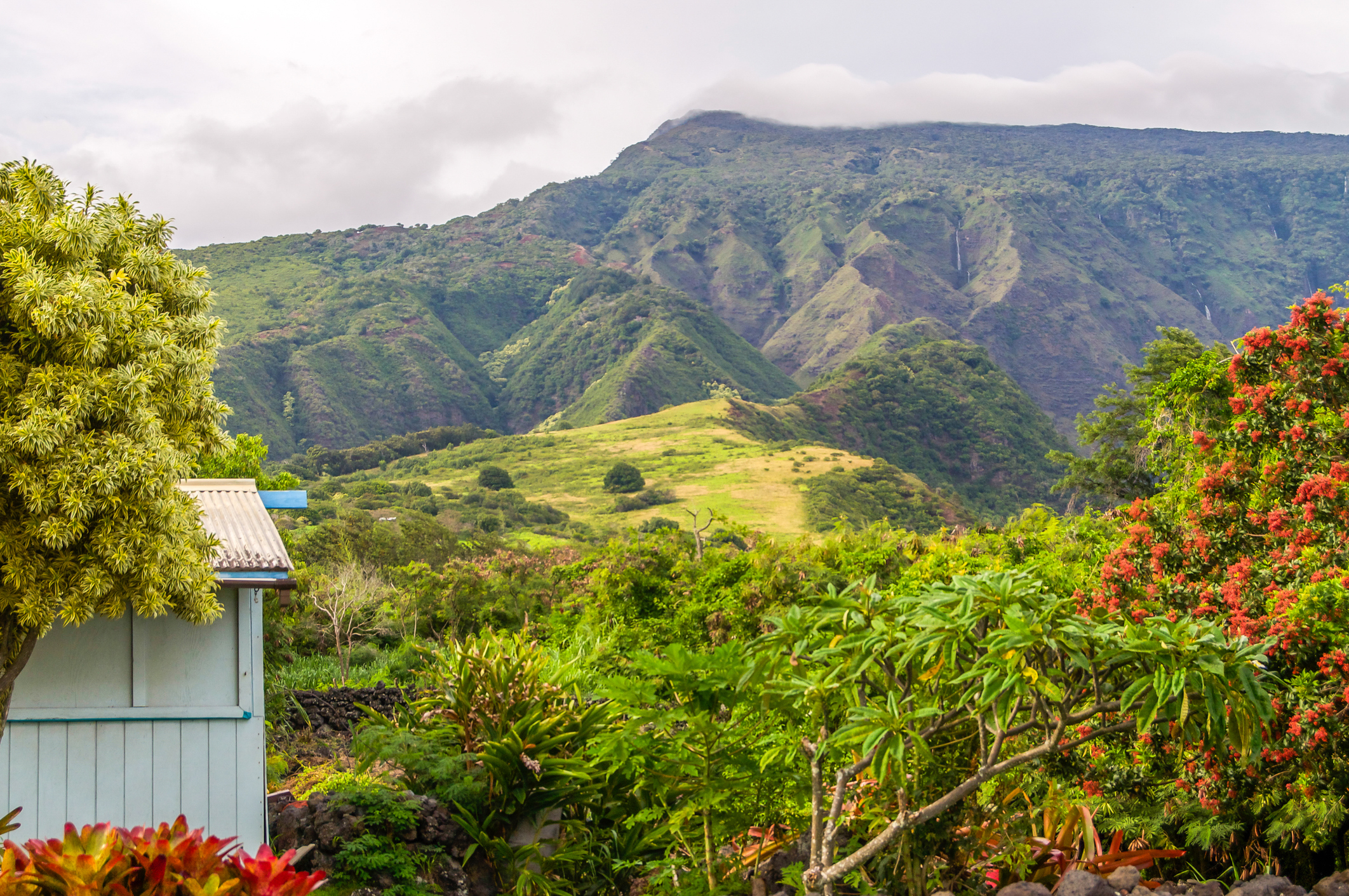
Upcountry Maui rises inland from the coast, where cooler air, farms, and long island views give the area a more residential, less resort-driven feel.
Table of Contents:
Upcountry Maui is not the side of the island most visitors see for the first time. There’s no resort lobby downstairs, no beach path at the edge of the property, and no guarantee that the prettiest listing photo tells you how a place will actually live day to day.
Serious buyers in this area of Maui come here for cooler mornings, less tourist crowds, larger parcels, farm stands, sloped roads, long views, and older homes with character.
But living in Upcountry Maui year-round life also demands more practical questions: How is the property served by water? What condition are the plumbing, drainage, and wastewater systems in? How difficult is the driveway after rain? How long is the drive to groceries, school, or the airport?
So if you’re asking if you can live here full-time, many people already do. The better question is whether Kula, Makawao, Pukalani, or one of the surrounding communities fits the way you actually want to spend a regular week — not just the way Maui looked during a memorable vacation.
KEY TAKEAWAYS
- Kula, Makawao, and Pukalani are not identical. Kula tends to feel more rural, Makawao has a stronger town-center identity, and Pukalani is often the most practical for daily errands.
- Buyers are often drawn to Upcountry for cooler air, larger lots, farm-country scenery, and more distance from Maui’s resort corridors.
- The right property depends on specifics: elevation, road access, driveway conditions, water service, drainage, permitted structures, and maintenance needs.
- Upcountry Maui real estate can include single-family homes, cottages or accessory dwellings, larger parcels, agricultural properties, custom homes, and older homes that need closer inspection.
- Upcountry Maui has enough infrastructure for full-time living, but not everything is within walking distance. Major errands will require a car and a bit of more planning.
Where is Upcountry Maui?
Upcountry Maui is the part of the island you reach by leaving Kahului, the airport, and the central valley behind, then climbing inland toward Haleakala, the 10,023-foot volcano that forms East Maui.
The region is not one town or a formal city. Most buyers and locals use “Upcountry” to mean Kula, Makawao, and Pukalani, with nearby communities such as Keokea, Olinda, Haliʻimaile, Ulupalakua, and sometimes parts of included depending on the conversation. Think of it as a broad band of residential, rural, and agricultural communities between Maui’s central valley below and Haleakala’s higher elevations above.
Upcountry Maui’s location also explains why it can feel quite different from coastal areas. The air is cooler. Roads climb, curve, and narrow. Views can open toward the ocean, the West Maui Mountains, or the island’s central valley. Farms and gardens are part of the landscape, helped by the area’s volcanic soil and long agricultural history.
Specifically, Upcountry is usually made up of these three areas:
- Kula is often associated with open views, farms, larger lots, and a quieter residential feel. It stretches across different elevations, which means one Kula property may feel sunny and dry while another may be cooler, greener, and more exposed to clouds. Buyers who like gardens, agriculture, and a little distance from busier roads often pay close attention to Kula.
- Makawao carries the legacy of Maui’s paniolo, or Hawaiian cowboy, culture, along with its town-center shops and galleries. Its storefronts, galleries, cafes, and distinct local history give it a recognizable identity, and its location makes it convenient for people who want Upcountry character without feeling tucked too far away. Makawao can suit buyers who want a neighborhood feel, access to local food, and a little more movement around them.
- Pukalani sits lower and often feels more practical for daily errands, with easier access to Central Maui. It’s minutes away from groceries access, schools, services — making it suitable for everyday routines. It also sits between other Upcountry areas and Central Maui, which can matter a lot for buyers who still need regular access to Kahului or Wailuku.
What kinds of properties are in Upcountry Maui?

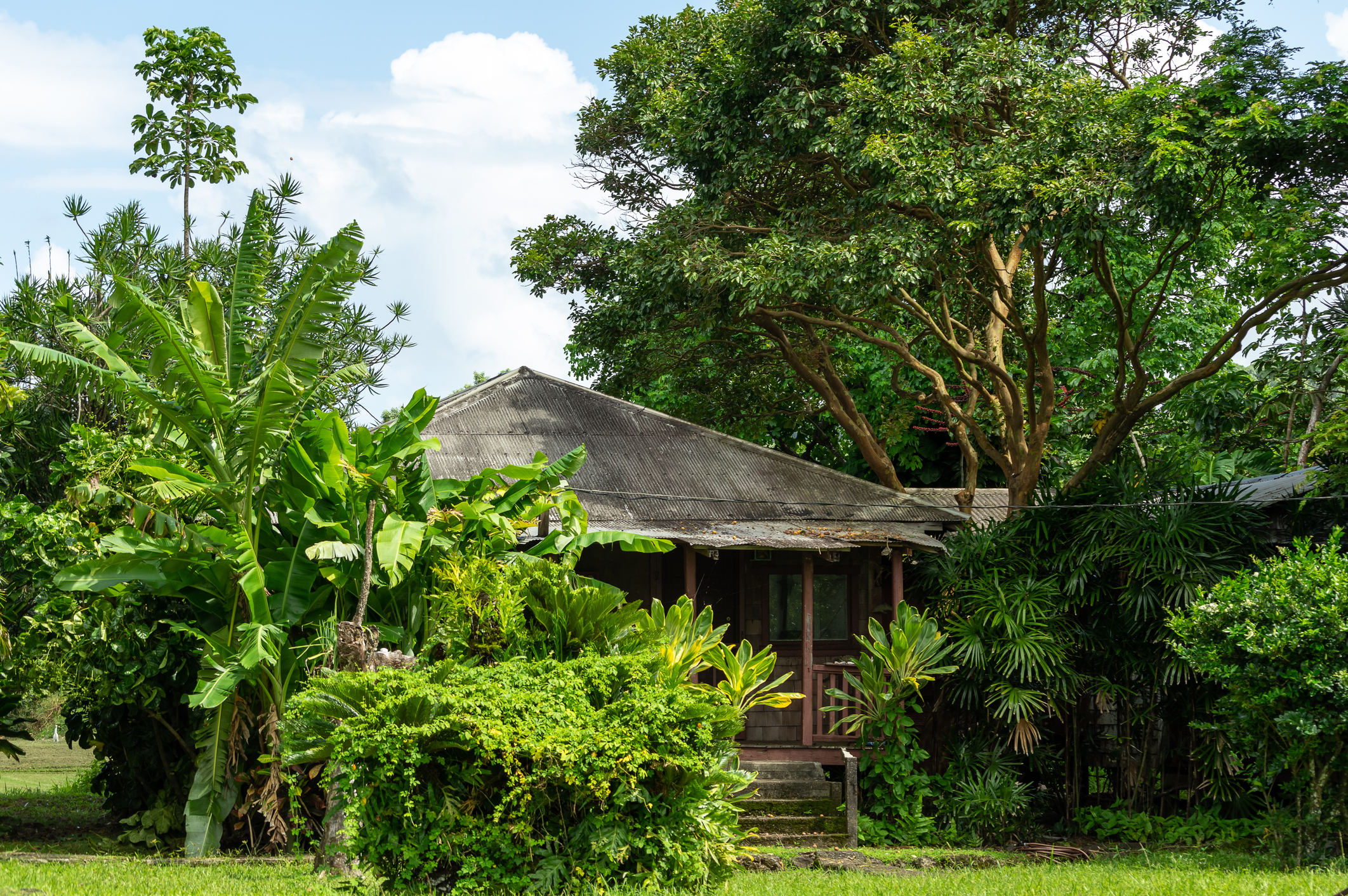
Upcountry Maui properties can range from older homes with mature landscaping to larger parcels with gardens, cottages, and agricultural potential.
Upcountry Maui real estate has decent variety. That’s part of the appeal, especially for buyers who are not looking for a resort condo or a tightly uniform subdivision. But that variety also means buyers have to look beyond the facade of each listing and get into the details. In Upcountry, a property’s specific elevation, road access, driveway, water setup, drainage pattern, permitted-use history, and maintenance reality can all impact your investment in the long-term.
Common property types include:
- Single-family homes in established residential neighborhoods
- Homes with permitted accessory dwellings, cottages, or ʻohana-style spaces
- Larger rural residential parcels with more privacy, yard space, or garden potential
- Agricultural-zoned properties with farm, orchard, pasture, or nursery use potential
- Larger parcels that may support horses or other animal uses, depending on zoning, fencing, water, and site conditions
- Custom homes built around views, gardens, privacy, or indoor-outdoor living
- Older homes that may require closer inspection, renovation planning, and maintenance review
These categories often overlap, which is why Upcountry properties are hard to judge from photos alone. A cottage may add flexibility, but only if its use is properly permitted. A larger parcel may offer privacy, but it can also mean more fencing, vegetation management, drainage work, and upkeep. An older home may have character, but buyers still need to look closely at plumbing, roof condition, wastewater, renovation history, driveway access, and how the property handles wind, rain, and sun exposure.
What everyday life looks like in Upcountry Maui
While Upcountry Maui puts some distance between you and the hubbub of resort areas tourist hotspots, life here is far from isolated. Residents tend to move between places: Pukalani for groceries and errands, Makawao for coffee or dinner, Kula for farms and views, Kahului for larger shopping trips and appointments, and the North Shore or South Maui when the day calls for the beach.
Outdoor recreation
- Haleakala National Park. The obvious anchor for high-elevation drives, sunrise or sunset visits, hiking, and cooler-weather outings. It is the kind of place residents can return to in different seasons, not just check off once with visitors.
- Polipoli Spring State Recreation Area. A forested, cooler side of Maui that feels very different from the coast. Good for people who like hiking, mountain air, and a more rugged Upcountry landscape.
- Aliʻi Kula Lavender. A familiar Kula stop for gardens, views, and slow weekend visits, especially when hosting guests or looking for something low-key close to home.
- Ulupalakua ranch country. A good reminder that Upcountry is not just Kula and Makawao. The drive toward Ulupalakua brings wider ranch landscapes, open roads, and a quieter, more rural side of the region.
- North Shore beaches. Upcountry is not beach-adjacent, but Paia and the North Shore are still within reach from parts of Makawao and Pukalani. That gives residents a way to keep beach days, surf checks, and coastal meals in the week without living directly in the visitor-heavy zones.

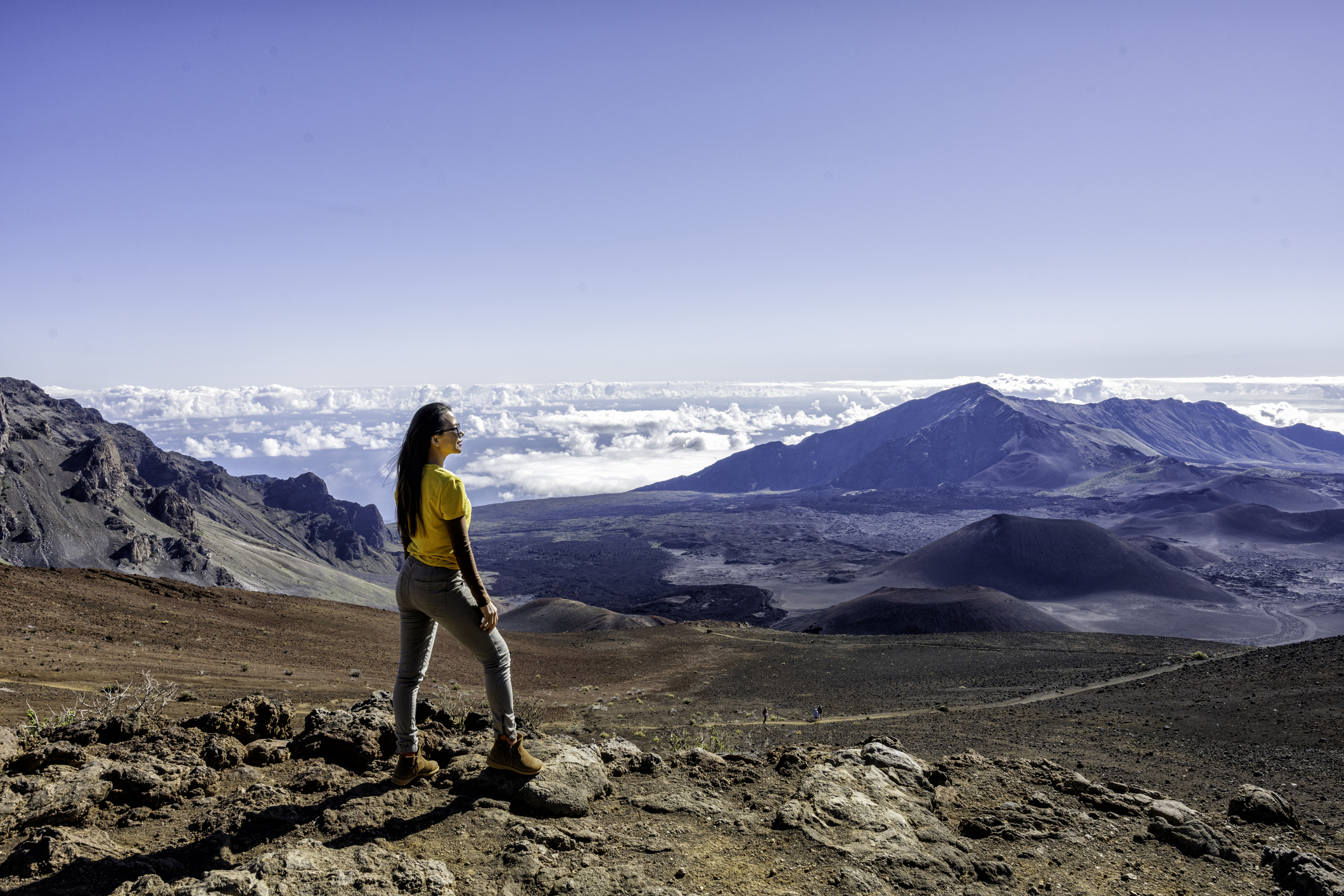
Living Upcountry puts Haleakala’s high-elevation roads, trails, and overlooks close enough for repeat visits, not just one vacation stop.
Dining and coffee stops
- In Kula, residents might stop at Grandma’s Coffee House for coffee and breakfast, Kula Bistro for a sit-down meal, or La Provence for pastries.
- Around Makawao, many people grab coffee at Espresso Mafia. For lunch and dinner, Casanova and Haliimaile General Store have long been part of the town’s dining scene, while Makawao Public House is an up-and-coming local favorite and voted as best new restaurant in Hawaii in 2025.
- In Pukalani, Restaurant Marlow gives residents another easy option for pizza, pasta, and casual meals close to everyday errands.
- Farther out, Ulupalakua Ranch Store & Grill works well for a meal tied to a drive through ranch country or a day with visitors, while Halehaku Maui is a good stop for coffee and baked goods.
Errands and shopping
- Pukalani Terrace Center. One of the most practical errand hubs in the area, with grocery access, hardware, banking, casual food, and other everyday services in one area.
- Makawao. Along Baldwin Avenue and Makawao Avenue, residents will find boutiques, galleries, cafes, salons, gift shops, clothing stores, and longtime local businesses like Collections Maui.
- Kula and nearby areas. Farm stands, smaller markets, and the Upcountry Farmers Market give residents access to local produce, flowers, coffee, prepared foods, and other Maui-grown goods.
- Kahului. Larger stores, airport access, medical appointments, government offices, and bigger household errands usually point residents back toward Central Maui.
Schools in the area
Families looking at Upcountry should think carefully about school access, drive times, and after-school logistics. Several public and private schools serve or sit near the region, but assignments and availability should always be verified by address.
- Kula Elementary School
- Pukalani Elementary School
- Makawao Elementary School
- Samuel E. Kalama Intermediate School
- King Kekaulike High School
- Haleakala Waldorf School (a private option in Kula)
- Carden Academy of Maui (a private school in Pukalani)
Medical access and other essentials
- Medical care. For major medical appointments, specialist visits, urgent care, and hospital access, residents generally look toward Kahului, Wailuku, or other parts of Central Maui. This is especially important for retirees or buyers managing ongoing health needs.
- Airport access. Kahului Airport is the main travel hub, so airport runs are part of the location equation. The drive may be manageable, but it still depends on the exact Upcountry address, road conditions, weather, and time of day.
- Government offices and major errands. Vehicle registration, county services, larger shopping trips, and many professional appointments usually mean going into Central Maui.
- Emergency access. Driveway grade, road width, visibility, weather, and distance from emergency services should be part of the property review, especially for homes that feel more private or rural.
Common misconceptions about Upcountry Maui
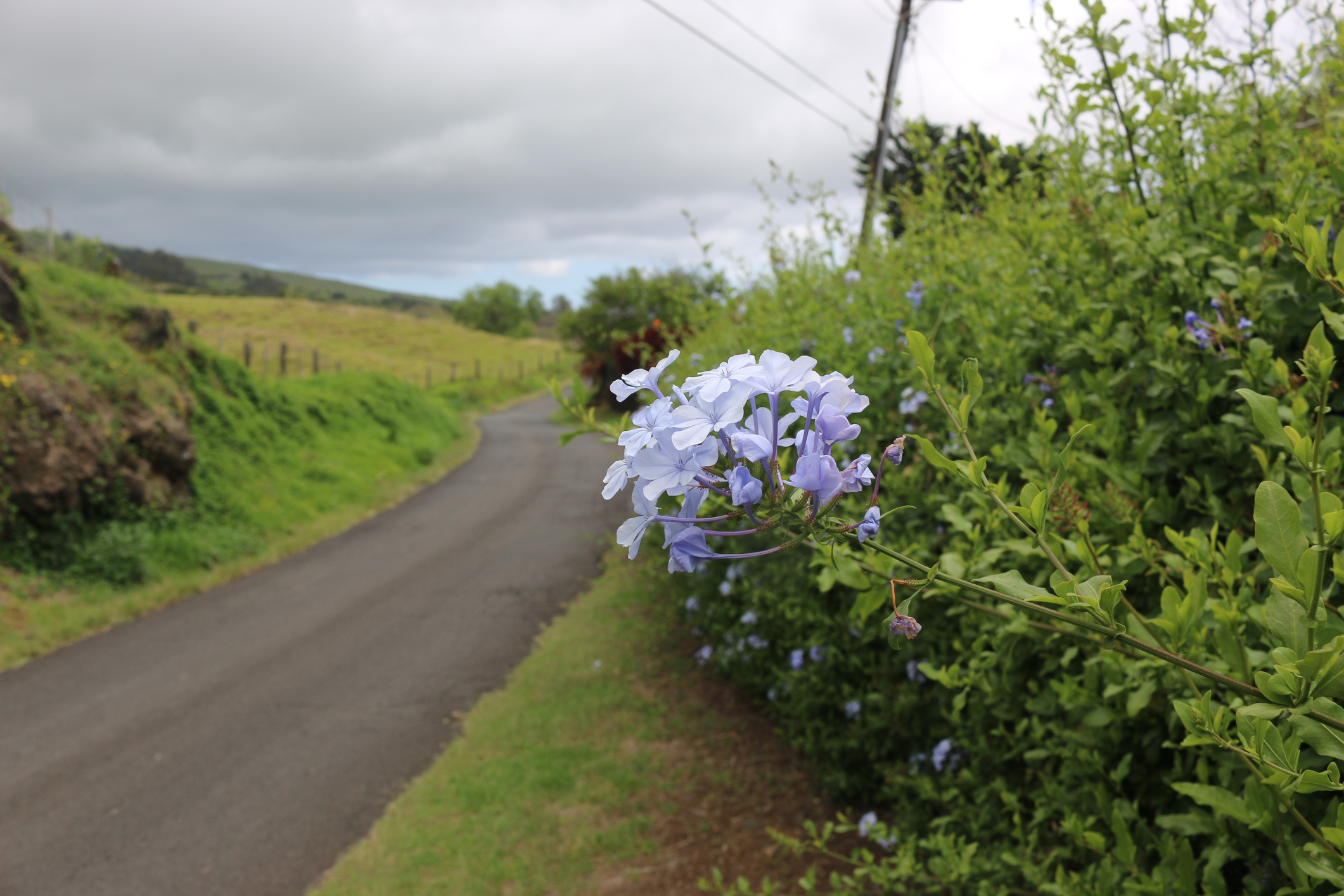
Misconception 1: Upcountry is too remote for full-time life
Some Upcountry properties do feel tucked away, but the region as a whole is not cut off from daily life. Pukalani has grocery access, schools, services, and practical errands. Makawao has restaurants, coffee, shops, galleries, and a recognizable town center. Kula, Keokea, Haliʻimaile, Olinda, and Ulupalakua add more rural and agricultural settings, depending on how far out a buyer wants to be. Kahului is still the main hub for larger stores, the airport, medical appointments, government offices, and many bigger errands.
Misconception 2: Cooler weather is always good
Cooler air is one of Upcountry’s biggest draws, especially for buyers who don’t want the heat of lower-elevation coastal areas. But a cooler environment comes with a tradeoff. Elevation can change how a property handles wind, rain, fog, sun exposure, and moisture. A home in lower Kula may feel very different from one higher up the slope. Makawao, Pukalani, and Olinda can also have different weather patterns and maintenance needs.
Those differences show up in ordinary ways: roof wear, exterior paint, drainage, landscaping, fencing, garden conditions, and how often outdoor areas feel usable. Buyers should pay attention to how the property feels at different times of day and in different weather, not just how it looks during a clear showing.
Misconception 3: More land automatically means more freedom
Larger parcels are part of Upcountry’s appeal, but land comes with responsibilities. More space may mean more privacy, garden potential, room for animals, or flexibility for a workshop or cottage. It can also mean more fencing, vegetation management, driveway upkeep, drainage work, tree maintenance, and questions about water service.
Buyers should also be careful with assumptions about agricultural use, cottages, ohana-style spaces, and outbuildings. A structure may look useful, but its value depends on whether it is properly permitted and how it can legally be used. The same goes for land. A property may seem ideal for farming, animals, or expansion, but zoning, water, access, slope, and site conditions can all limit what is practical.
Misconception 4: A secluded and peaceful home will be easy to live in
Peace and privacy can be real advantages in Upcountry, but they do not tell the whole story. A quiet home may sit on a narrow road, have a steep driveway, receive limited cell service, or require more maintenance than a buyer expects. A beautiful garden may need serious upkeep. A charming older home may need closer review of plumbing, electrical work, roof condition, wastewater, termite history, drainage, and renovation quality.
Retirees and full-time residents should also think about emergency access, distance to medical care, and how comfortable the drive feels in rain, fog, or at night.
Misconception 5: Upcountry Maui is all the same
Kula, Makawao, and Pukalani may sit near one another on a map, but they are not identical. Kula is often associated with farms, gardens, larger lots, and long views. Makawao offers more of a town-center feel, with restaurants, galleries, coffee stops, and paniolo history. Pukalani is often the more practical choice for buyers who want grocery access, schools, services, and an easier connection to Central Maui.
The surrounding areas add even more variety. Keokea can feel quieter and more rural. Olinda can be greener and more tucked away. Haliʻimaile sits closer to Central Maui and the North Shore. Ulupalakua brings ranch country and a more remote feel.
FAQs about living in Upcountry Maui
What areas are usually considered part of Upcountry Maui?
Kula, Makawao, and Pukalani are the core areas most often associated with Upcountry Maui. Nearby places such as Keokea, Olinda, Haliimaile, Ulupalakua, and parts of Haiku may also come up depending on how someone defines the region.
Does Upcountry Maui feel more residential than resort-oriented?
Yes. Upcountry feels more residential, agricultural, and community-based than Maui’s main resort corridors. Visitors pass through, especially on the way to Haleakala, but the region is built around homes, schools, farms, small businesses, and local routines.
Is Upcountry Maui too far from the beach?
If you want to walk right up to the beach, yes, Upcountry may feel too far. It’s an inland, higher-elevation region, so beach access depends heavily on the exact town and route. Parts of Makawao and Pukalani are a manageable drive to Paia and the North Shore, while Kula, Keokea, and more rural Upcountry addresses may require more planning. For buyers who are comfortable driving, beach days can still fit into the week.
Which Upcountry communities appeal most to homebuyers?
Kula often appeals to buyers who want views, gardens, space, and a rural feel. Makawao appeals to people who like character, dining, galleries, and a defined town center. Pukalani appeals to buyers who value convenience, services, and easier access to Central Maui.
What should off-island buyers understand before purchasing Upcountry?
They should understand microclimates, road access, maintenance, water systems, permitting, agricultural zoning, and drive times. A home that looks simple online may include local details that affect comfort, cost, and long-term use.
Is Upcountry Maui a good fit for retirees?
It can be a good fit for retirees who like cooler weather, scenic drives, gardening, privacy, and a quieter residential pace. It may be less ideal for retirees who want highly walkable services or immediate access to large medical facilities, dining clusters, and beach amenities.
Explore Upcountry Maui real estate with Dave Futch
Upcountry Maui may be less ideal for people who want to be close to beaches and a stunning waterfront, but for those who prefer the higher elevation, cooler mornings, and extra space to stretch out? It’s perfect.
Dave Futch has been a Maui resident since 1988 and has represented buyers and sellers across the island for more than 35 years. His experience in Haiku, Kula, Makawao, Pukalani, and other Maui communities gives buyers a practical way to compare microclimates, property types, land use, and lifestyle fit.
If you’re serious or still pondering about the prospect of living in Hawaii, then Upcountry Maui deserves a close look.
Make your next real estate move hassle-free by calling 808.280.9600 or sending an email.