
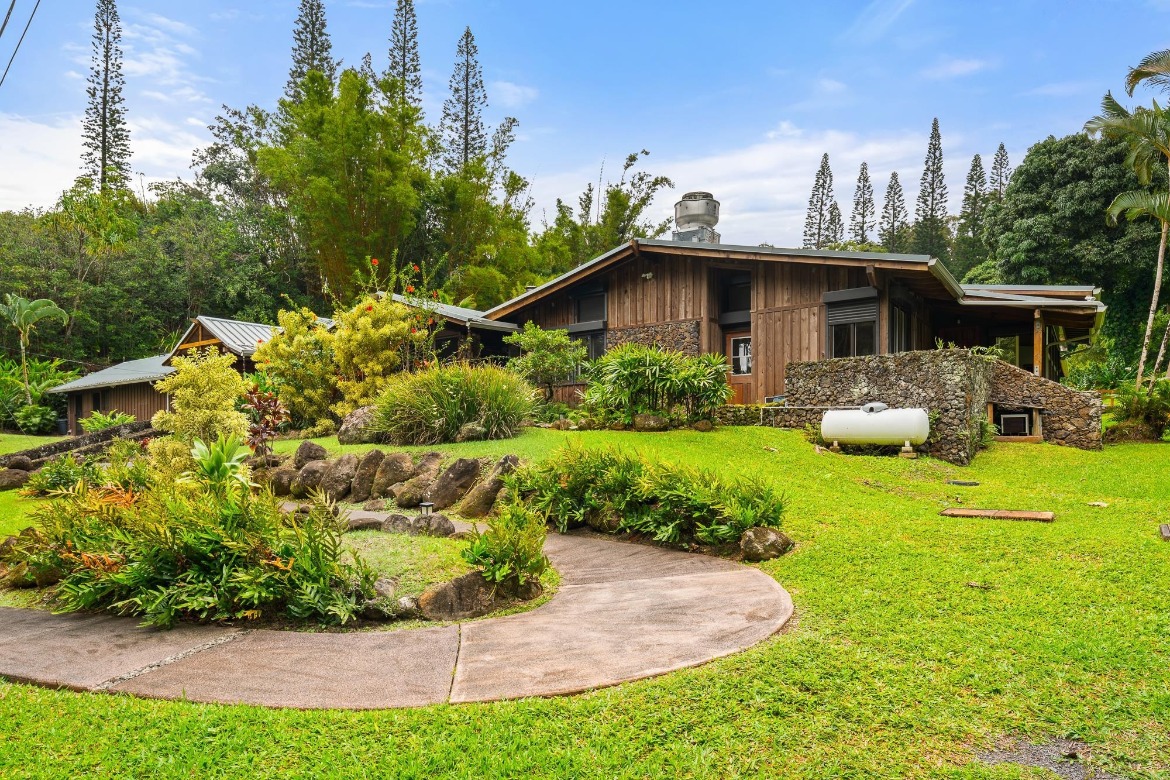
Homes for sale in Haiku, Maui, continue to stand out for their privacy, usable outdoor space, and everyday livability.
The Haiku, Maui, real estate market feels more measured in early 2026 than it did a year ago. Buyers are still drawn to the North Shore for its expansive space, privacy, and livability, but they’re approaching transactions more carefully.
Table of Contents:
Instead of rushing to compete, people are taking a bit more time to compare property condition, land usability, utility setup, and long-term ownership costs before making an offer.
Whether you’re thinking about buying or already own property in Haiku, understanding how today’s buyers are approaching the market can help you make smarter decisions.
|
What’s driving the Haiku, Maui, real estate market in early 2026?
The market has shifted to a more sustainable pace, moving away from the intense competition seen in recent years. Here are the market trends you should take into account before you make your next real estate move.
Haiku home prices are down, and listings are taking longer to sell
In March, the median sales price was around $1.1 million, which is a 38% drop from last year. Homes are also staying on the market for an average of 176 days — more than double the time it took to sell a home one year ago.
These figures tell us that the days of instant offers and bidding wars are over. While a home in great shape will still get noticed, buyers are no longer overpaying just to get their foot in the door. Instead, they’re doing their homework and making sure that the price truly matches the home’s quality before they commit.
Move-in-ready homes are getting more attention from buyers
In a place like Haiku, a home’s condition carries extra weight because ownership often involves more day-to-day upkeep than buyers may expect elsewhere. Maintenance can include:
- Managing vegetation around the property
- Fixing drainage problems
- Addressing leaks or other roof-related issues
- Troubleshooting equipment for renewable energy (e.g. solar panels)
So, it’s no surprise that buyers are gravitating toward homes that feel well maintained and easier to step into without a long list of immediate projects.
Rising ownership costs are also part of the conversation. For instance, since the 2023 Maui wildfires, some insurance rates have jumped by as much as 50%, making it more important than ever to have a home that’s easy to protect and maintain.
Insurance and maintenance expenses have become harder to ignore across Maui, so buyers are paying closer attention to how much work a property may require after closing, not just what it costs upfront.
New legislation on short-term rentals (STR)
A new law called Bill 9, signed into effect in late 2025, is currently reshaping the rules for property owners across the island. The goal is to phase out thousands of STR properties in apartment-zoned districts by 2031 to create more long-term housing for residents.
Even though Haiku isn’t a resort hub, these changes mean you can no longer assume a cottage or studio is cleared for short-term guests. So, if your plans involve rental income, make sure to verify the property’s specific zoning and permit history.
Don’t overlook these details in Haiku, Maui real estate in 2026
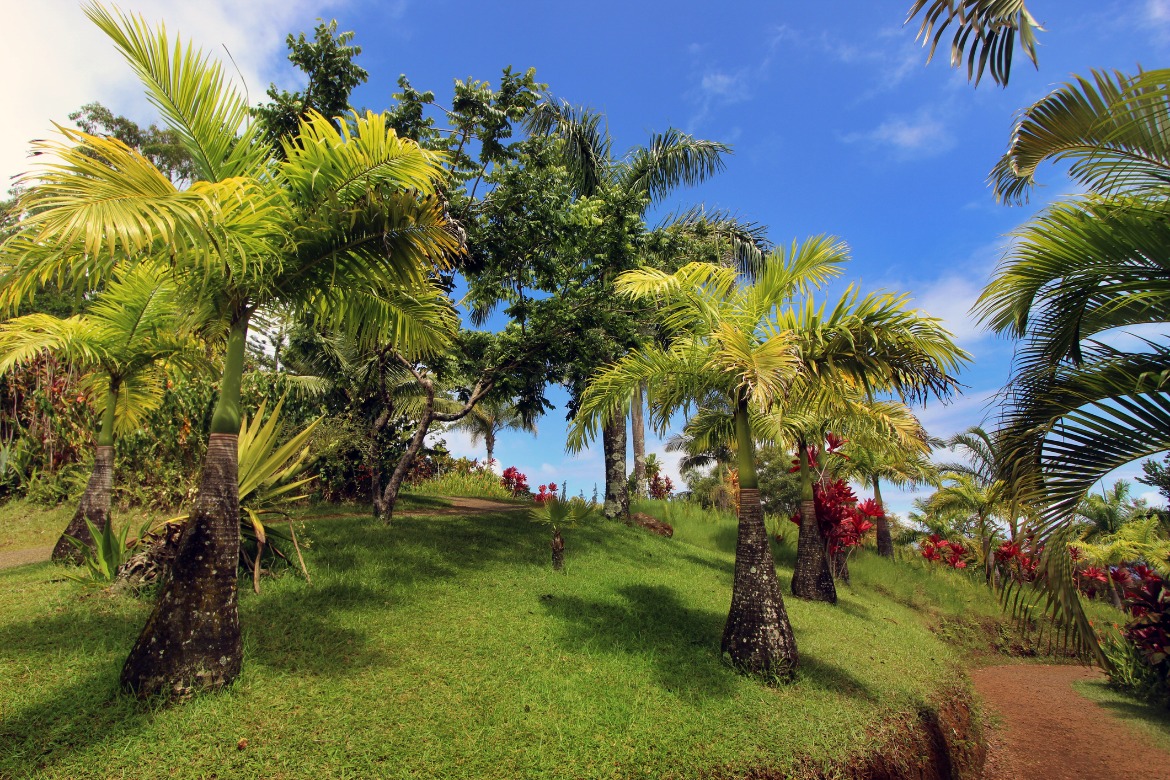
Buyers in Haiku look closely at how much of the land is actually usable — whether that means room for gardening, outdoor living, additional structures where allowed, or simply easier maintenance.
Homes that need a bit more work need a closer look
In many places, a workable fixer-upper is usually a good opportunity. In Haiku, that kind of purchase usually calls for a closer look. Between the climate, drainage, and ongoing maintenance demands, even a home with good bones can come with more work than buyers initially expect.
The real question is how much time, money, and oversight you’re willing to spend after buying the property. Properties that feel well maintained and easier to step into tend to stand out, especially for buyers who do not want to deal with immediate repairs or long renovation timelines.
That said, a property with project potential can still make sense if you have a clear plan, realistic expectations, and the patience to manage the work carefully.
Usable land, not just lot size
In Haiku, a larger lot doesn’t always translate to day-to-day utility. A property may show well on paper because of its size, but if much of the land is steep, heavily overgrown, or difficult to access, its value can feel different in practice.
Buyers tend to look closely at how much of the land is actually usable, whether that means room for gardening, outdoor living, additional structures where allowed, or simply easier maintenance.
The specific location makes a big difference, too. Within just a few miles, the weather can shift from bright sunshine to heavy tropical rain. This affects everything from how much mud you’ll deal with to how fast your grass grows. Knowing these small differences is the only way to make sure the land fits your actual plans for daily life.
| Fun fact: Locals often use the nickname “Dryku” for the western side of town because it’s generally much sunnier. As you move east or higher up the mountain, the weather crosses a rain line where the tropical showers become much more frequent. This shift happens so fast that one property can be dry and bright while a house just a mile away is lush and rainy. |
Water, septic, permits, and drainage deserve a closer look
In Haiku, due diligence often extends well beyond the house itself. Depending on the property, buyers may need to evaluate county water service, catchment or other private water setups, on-site wastewater systems, drainage, power infrastructure, and the permit history behind any added structures.
Here’s a checklist of the areas you need to carefully consider:
- Water: Some properties are served by county water, while others rely on catchment or other private systems. Buyers should confirm the water source, storage and filtration setup, maintenance history, and whether the system fits their needs.
- Septic: Many properties use an on-site wastewater system rather than municipal sewer service. It is worth confirming the system type, condition, service history, and whether there are any known issues or deferred maintenance.
- Permits: Additional rooms, cottages, lanais, or other improvements should be checked against county records. Buyers need to know what was legally built, what was approved, and whether any existing structures could create complications later.
- Drainage: In a rainy place like Haiku, you should pay close attention to drainage. Buyers should look at how the land handles runoff, whether water collects near the house, and how the property performs during heavier rain.
- Power: If the home includes solar panels, batteries, or backup systems, ask whether they are owned or leased, how old they are, and what maintenance or replacement costs may be coming. This helps you understand whether or not you’ll be mostly living off the grid.
- Property lines: Dense vegetation can make boundaries less obvious than they appear in listing photos. It helps to understand where the lot lines are, what areas are actually usable, and whether access points are clear and practical.
Extra space and added structures only add value when they are legally usable
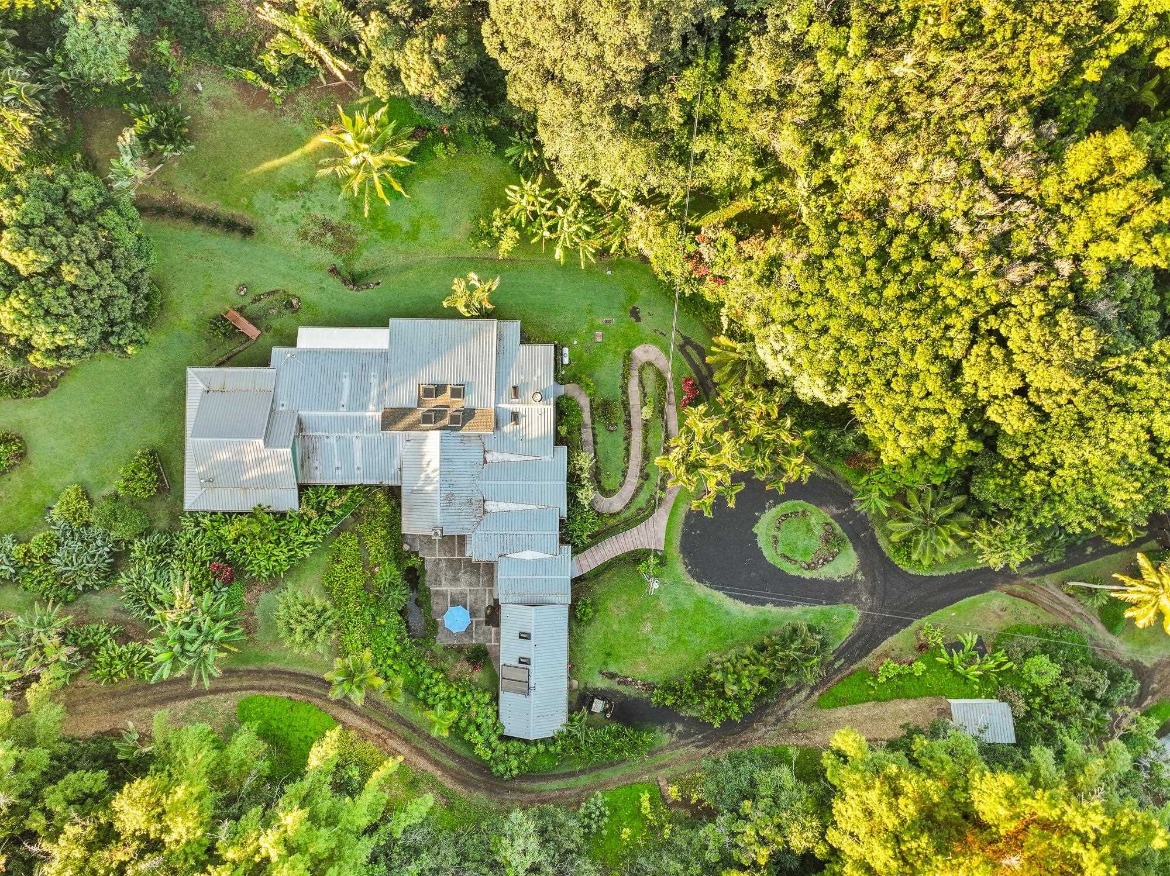
Properties that feel well maintained and easier to step into tend to stand out, especially for buyers who do not want to deal with immediate repairs or long renovation timelines.
Many buyers are drawn to houses for sale in Haiku, Maui that offer a separate cottage, extra room for extended family, or space that could work well as a home office or guest area. Those features can absolutely add appeal, but only when the property’s legal use and permit history support them.
In today’s market, you should avoid paying a premium for a property’s potential until you know exactly what the county allows. Since there are several areas in Haiku often zoned as agricultural or rural land, there are strict limits on how many buildings you can have and how you can use them.
Privacy matters, but accessibility affects value too
Privacy is one of the main reasons people choose to own real estate in Haiku, Maui. Many owners love having a long driveway and being far away from the busy tourist spots.
That privacy adds real appeal, but not when the property is hard to get to.
A more secluded setting should not come at the expense of convenient access points. Buyers still need to think about how easily they can get to schools, groceries, beaches, or the parts of Maui they expect to use regularly. In Haiku, some of the most appealing properties are the ones that offer both: a quieter, more private setting and practical access to daily routines.
Long-term ownership costs are harder to ignore now
In 2026, buyers should look closely at the ongoing costs that come with owning property in Haiku
- Property taxes, which can vary based on how the home is used
- Insurance, which may be higher than buyers expect
- Landscaping and vegetation control, especially on larger or wetter lots
- Water, wastewater, and power system upkeep, depending on the property setup
- Routine exterior maintenance, particularly in damp or exposed conditions
A note on property tax rates: Maui County’s property tax system is nuanced. What you owe in taxes can vary significantly depending on a property’s classification and exemption status, with separate categories such as owner-occupied, non-owner-occupied, long-term rental, and transient vacation rentals / short-term rental homes (TVR-STRH) carrying materially different rates.
The property types drawing the most attention in Haiku, Maui
Here are the most common types of homes you’ll see for sale in Haiku, Maui—and what you should keep in mind:
| Homes with extra acreage | More privacy, more separation, and more room for gardening, orchards, or outdoor use. | Large lots are not always easy lots to maintain. Slope, drainage, access, and ongoing vegetation control can shape how usable the land really is. |
| Shared-lot homes (CPR) | Often a more accessible way to buy into Haiku without taking on a full estate parcel. | Ownership rights, yard areas, access, easements, and common elements should all be reviewed carefully. CPR status does not answer zoning or buildout questions on its own. |
| Updated older homes | You get the high ceilings and airflow of a classic plantation home without the stress of an immediate renovation | The condition and permit history of key systems and improvements, especially electrical, plumbing, roofing, and any additions. |
| Luxury estates | These properties often stand out for privacy, amazing views, and a stronger sense of seclusion. | Larger homes and more exposed settings can mean higher upkeep, more exterior maintenance, and steeper carrying costs over time. |
| Vacant land | It gives buyers the chance to build around their own priorities and timeline. | Confirm utility access, water service, permitting constraints, and the likely cost and timeline to build. |
| What is a Condominium Property Regime (CPR) home?
A Condominium Property Regime (CPR) is a legal way of dividing a property into separately owned units. In Haiku, CPR listings can offer a more accessible entry point for buyers, but the exact ownership rights, use areas, easements, and shared responsibilities should always be reviewed carefully. |
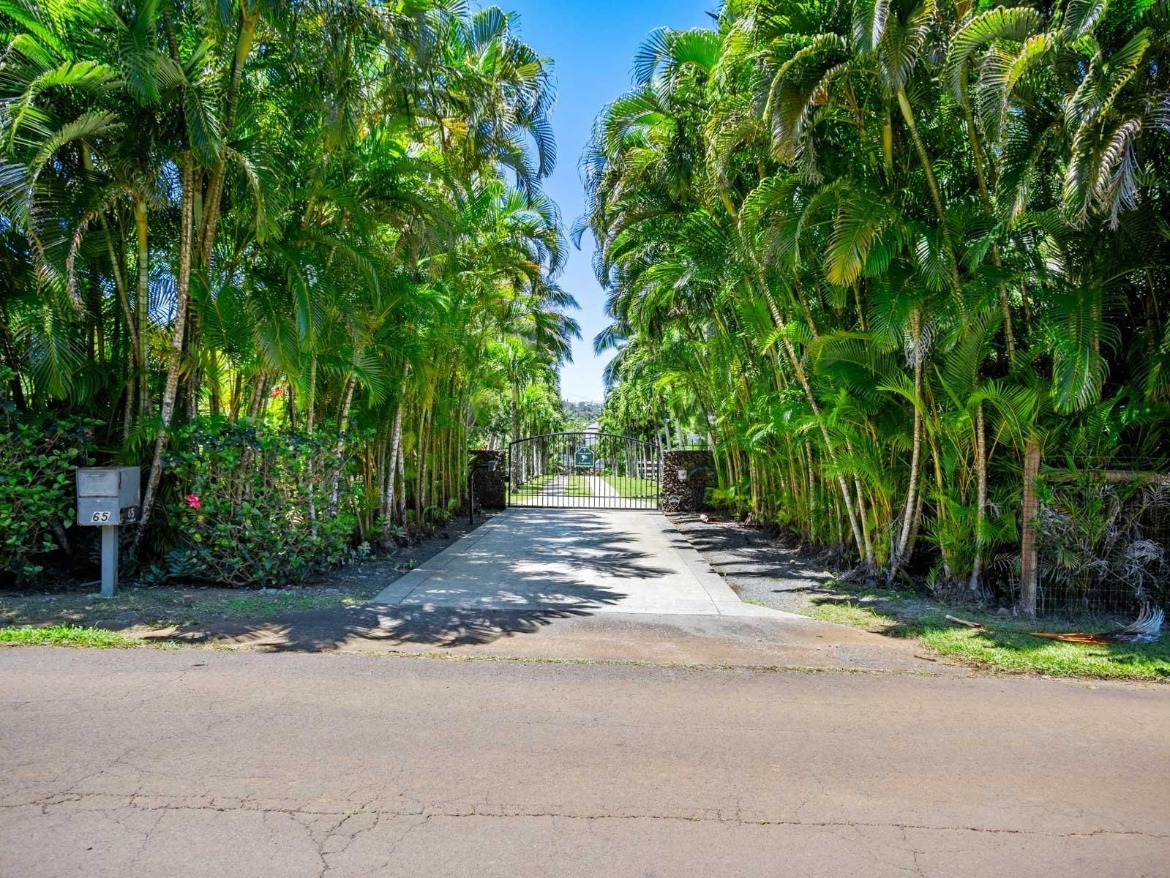
In Haiku, some of the most appealing properties are the ones that offer both: a quieter, more private setting and practical access to daily routines.
Five practical tips Haiku buyers can immediately apply:
- Define your non-negotiables. Before you look, decide what you can’t live without. Whether it’s a flat yard for kids or a short drive to school, knowing your must-haves helps you filter out your weakest options immediately.
- Don’t wait for the perfect market. When you find the right property for your needs, and you’re in a good position to buy, waiting for even better market conditions may be unwise.
- Look past the price tag. A lower price does not always mean better value if the property needs major repairs, drainage work, or system upgrades soon after closing.
- Do not treat added flexibility as guaranteed value. If a property includes a cottage, extra room, or space that looks adaptable, confirm what is legally permitted before factoring that into the purchase.
- Check typical weather conditions. Haiku can shift quickly from sunnier, drier conditions to wetter, more humid ones. If you are seriously considering a property, visit the area more than once and pay attention to how the lot feels in real conditions, including moisture, mud, runoff, and overall upkeep demands.
FAQs about buying in Haiku, Maui in 2026
Is now a good time to buy a house for sale in Haiku, Maui?
In a nutshell, yes, but there’s a nuance to it. For many buyers, early 2026 offers more room to evaluate properties carefully than the market did a year ago. Homes are taking longer to sell, which can create more space to compare property conditions, ask better questions, and negotiate when a property needs work.
Why do buyers choose Haiku over other parts of Maui?
Haiku appeals to buyers who want more land, more privacy, and a quieter day-to-day setting than they may find in Maui’s more resort-oriented areas. For many, the draw is not just the scenery, but the feeling of space and the slower pace of life.
Is Haiku more private than other Maui communities?
Generally, yes. Larger lots, longer driveways, and denser vegetation often create more separation between homes. Still, privacy varies from property to property, so it is worth looking at the lot layout, surrounding uses, and access before making assumptions.
Is real estate in Haiku, Maui, better for a primary home or a second home?
It works well for both, but it will mostly depend on property specifics and your goals.
As a primary residence, Haiku appeals to people who want a more local, residential lifestyle. As a second home, it may still be a strong fit, but buyers should be realistic about maintenance, utility systems, landscaping, and how the property will be cared for while they are away.
Work with Dave Futch to find your dream property in Maui
Dave Futch has lived on Maui since 1988 and brings over 30 years of real estate experience to the table. He’s built his own home from the ground up and closed over $280 million in local sales.
With deep knowledge of Maui’s topography and communities, Dave can help you find the ideal property for your specific real estate goals.
Explore Maui real estate without the hassle. Call 808.280.9600 or send an email to get started.