



How you plan to invest in Maui real estate can shape which location, maintenance, and ownership costs matter most.
Maui offers quite a few real estate options depending on what you’re looking for: a full-time home, a vacation property, or a rental property. Each comes with a different set of priorities. If you’re planning to live on Maui year-round, commute times, insurance, upkeep, and access to everyday services may matter most.
But if you’re after a vacation home, you may care more about lock-and-leave convenience, proximity to beaches and resort areas, and how easy the property is to maintain while you’re away.
Meanwhile, investment buyers have another layer to consider, including zoning, rental rules, operating costs, and long-term flexibility.
Here’s a detailed look into what you should consider for each scenario.
Table of Contents:
What to prioritize in a full-time home in Maui?
If you’re planning to live on Maui year-round, everyday logistics will be a key factor in your decision. Drive times, weather, insurance, and maintenance can all affect what living in a particular area is actually like.
Access to everyday services
Kahului and Wailuku concentrate many of Central Maui’s major stores, medical services, government offices, and transportation connections. Living nearby can make routine errands and appointments simpler, particularly if you expect to make those trips several times a week.
That doesn’t mean Central Maui is automatically the right choice. It does mean buyers considering communities farther north, south, or upcountry should factor those regular drives into the decision.
Commute and traffic
A route that looks manageable on a map can feel different during weekday traffic. If you’ll be commuting to work, taking children to school, or regularly traveling between communities, it’s worth test-driving prospective routes during rush hour (morning and evening).
Weather and upkeep
Maui’s weather can change considerably from one part of the island to another. Sunnier, warmer areas may put more emphasis on cooling and sun exposure, while wetter locations can bring more frequent exterior, landscaping, and moisture-related maintenance.
How much maintenance tasks you can manage yourself
A condo can shift some exterior and common-area maintenance to the association, while a single-family home usually gives you more control along with more responsibility.
If you’re looking at a property organized under a condominium property regime or CPR, it’s especially important to understand what you’re actually buying. A CPR is a legal form of ownership rather than a particular style of home, so responsibilities for land, structures, utilities, access, and shared elements can vary from one property to another.
Insurance costs before you commit
Insurance is worth investigating early rather than treating it as a closing-stage detail. Hawaii’s Insurance Division notes that most standard homeowners policies don’t cover hurricane or flood damage, which may require separate coverage.
Getting quotes while you’re comparing properties gives you a clearer picture of the ongoing cost of ownership.
💡 Tip: Full-time residents may qualify for a home exemption
If you occupy your Maui home for more than 270 days per calendar year, you can apply for the county’s owner-occupied tax status. This provides a $300,000 exemption on your home’s taxable value and lowers your property tax rate to the lowest available bracket. You can learn more about the tax exemption here.
What should you look for in a Maui vacation home?


The right Maui property depends on whether you plan to live there full-time, visit seasonally, or rent it out.|
If you’ll only spend part of the year on Maui, the property has to work just as well when you’re away as it does when you’re there. Maintenance responsibilities, association rules, insurance, parking, and storage can make a noticeable difference in how easily you can manage a second home.
How much upkeep will fall on you?
A condo can reduce some of the work that comes with maintaining a second home because the association typically handles common areas and certain exterior responsibilities. A single-family home gives you more control, but you’ll usually need to arrange landscaping, exterior maintenance, pest control, and property checks while you’re off-island.
What do the association’s finances and insurance look like?
If you’re considering a condo, the monthly fee is only part of the picture. Association budgets, reserve funding, insurance coverage, pending litigation, and recent or planned special assessments can all affect the cost of ownership.
Hawaii condominium buyers can review documents including the association’s budget, financial statements, house rules, insurance summary, meeting minutes, and reserve study as part of their due diligence.
How easy is it to arrive and settle in?
For a vacation property, convenience tends to matter more when your stays are short. Drive time from the airport, access to beaches and restaurants, parking, and the amount of setup required each time you arrive can all influence how practical a location feels.
A home farther from the places you visit most may offer other advantages, but those extra drives can become more noticeable when you’re only on Maui for a week or two at a time.
Where will you keep everything between visits?
If you plan to leave a vehicle, beach equipment, golf clubs, or other belongings on Maui, storage and parking deserve a closer look. Condo associations may have rules governing long-term parking, storage lockers, boards, or other equipment, so those details should be confirmed rather than assumed.
Could the way you make use of the property change down the line?
A vacation home may eventually become a place where you spend longer stretches of the year. If that’s a possibility, it’s worth considering whether the floor plan, accessibility, healthcare access, and surrounding area would still suit you beyond shorter visits.
You don’t need to buy for a retirement plan that may never happen, but a little flexibility can keep the property useful if your time on Maui increases later.
What should you check before buying a Maui rental property?

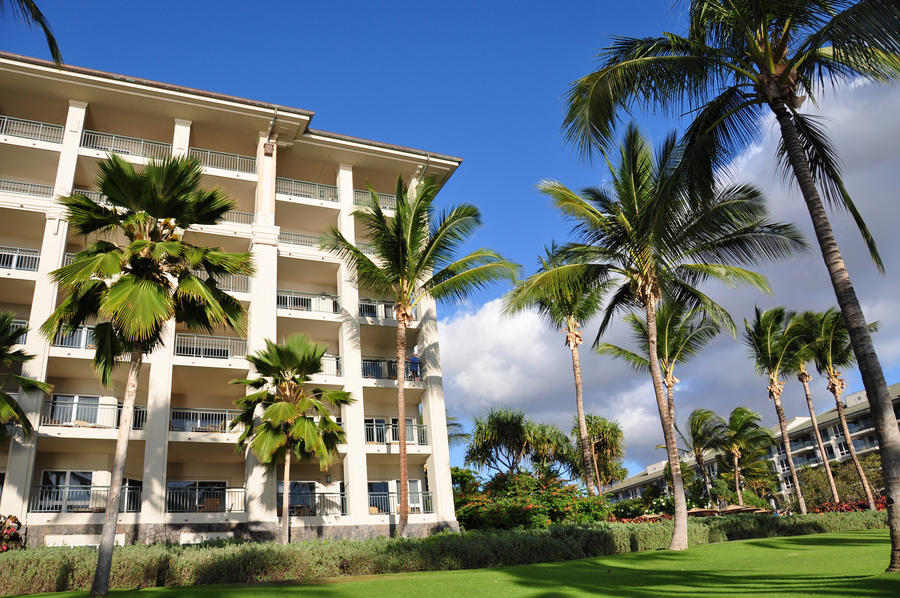
Homes for sale in Maui include resort-style condos that can suit vacation use, full-time residence, or rental income goals.
If rental income is part of your plan, it’s important to ask whether the property can legally be rented the way you intend. On Maui, the rules for a long-term rental can be very different from those governing a short-term vacation rental, so past rental history or a listing description isn’t enough to establish permitted use.
Start with zoning and permitted use
Before estimating rental income, check the property’s County zoning and confirm whether the intended rental use is allowed. HOA or condominium rules can add another layer, including minimum-stay requirements or restrictions on leasing.
This matters particularly if you’re considering a short-term vacation rental. Maui County’s Ordinance 5909 is phasing out transient vacation rental use for certain apartment-zoned properties, which means a condo’s past rental history doesn’t necessarily tell you whether that use can continue long term.
Understand the implications of County Ordinance 5909
Maui County Ordinance 5909 phases out transient vacation rental use for certain properties in A-1 and A-2 Apartment Districts — affecting roughly 7,000 apartment-zoned units (historically known as the “Minatoya List”). The county introduced this change to return apartment buildings to full-time residential use and expand long-term housing options for local families.
Qualifying uses in the West Maui Community Plan area can continue through December 31, 2028, while the deadline for the rest of Maui County is December 31, 2030.
Keep in mind that the ordinance doesn’t eliminate short-term rentals across Maui. Other legally permitted transient accommodations remain, but buyers need to verify the status of the individual property rather than assume that a condo’s previous vacation-rental use will continue indefinitely.
Look beyond projected rent
A rental estimate is just one aspect to consider. Association dues, insurance, property management, utilities, repairs, taxes, vacancies, and periodic assessments can all reduce the income a property produces.
If you’re comparing long-term rentals, it’s also worth looking at the type of tenant the property is likely to attract and whether the location, parking, floor plan, and monthly costs make sense for that market.
Read the association rules carefully
For condos, association documents can affect both the cost and practicality of renting. Minimum lease periods, rental restrictions, registration requirements, special assessments, and insurance obligations are all worth reviewing before you build a financial plan around the property.
Consider what happens if your rental plan changes
Local rules, market conditions, and your own plans can change. A property with broad appeal to full-time residents, second-home buyers, or long-term tenants may give you more options if short-term renting becomes impractical or no longer fits your goals.
The more flexible the property is, the less your ownership strategy depends on a single source of rental income.
Start your Maui real estate search today
A full-time home, vacation getaway, and rental property can each make sense on Maui, but they shouldn’t be evaluated the same way. Working with a local Realtor helps you make a more informed decision.
I’ve lived on Maui since 1988 and have spent nearly four decades helping buyers navigate the island’s distinct communities, market conditions, and property considerations. That experience gives me a practical perspective on what to look for — and what to question — before choosing the right property.
Let’s make your foray into Maui real estate a breeze. Get in touch with me at 808.280.9600 or via email to get started.