


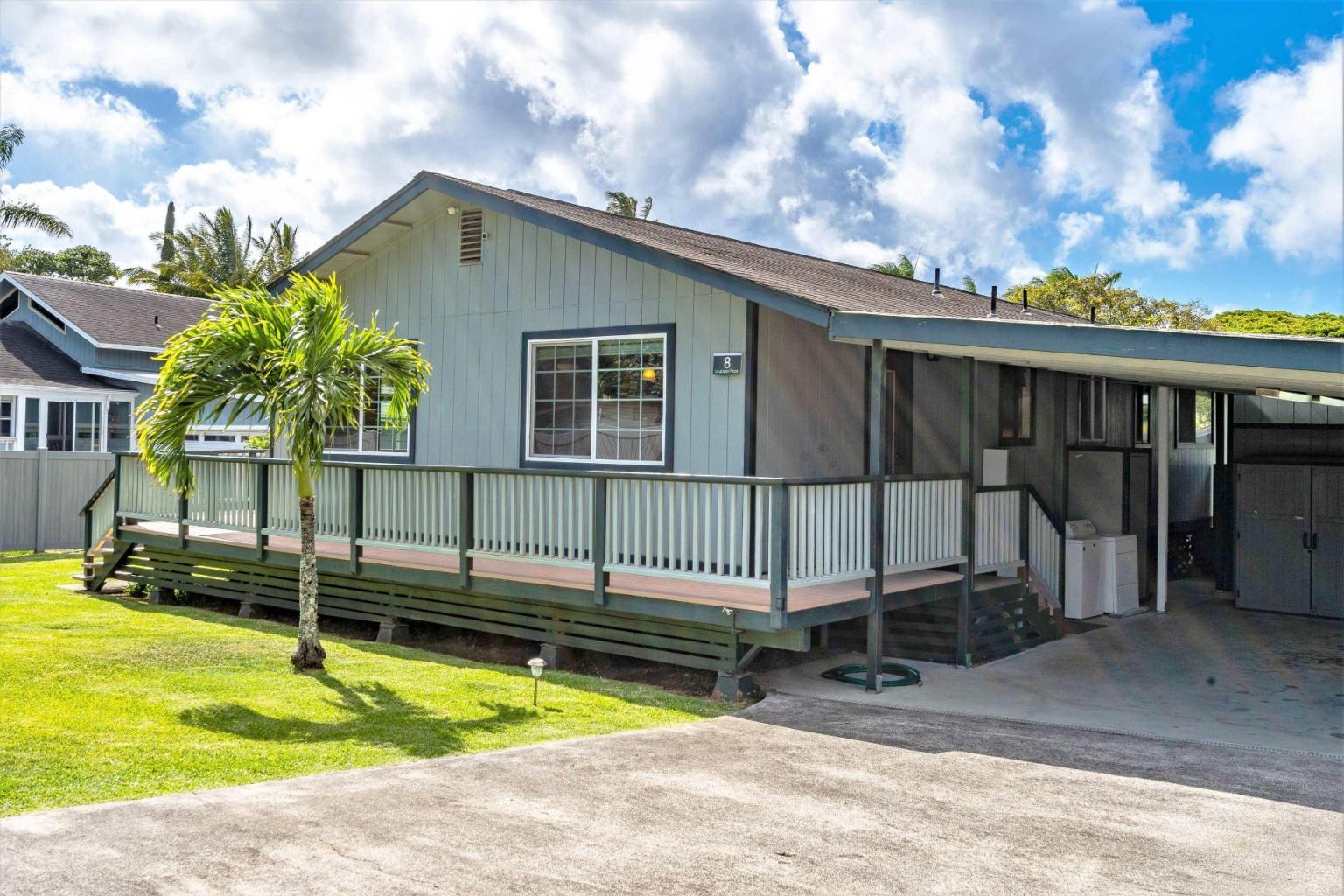
Maui’s real estate market is shaped by its geography, climate, and local regulations — with many properties relying on private systems for water and power.
In Haiku, buying a home means doing your due diligence well beyond the four walls.
Most properties here sit on generous lots which can accommodate self-sustaining systems like private water catchment, septic tanks, solar panels, and backup generators — each off-grid setup should be thoroughly examined.
It’s also common to find ohanas (second dwelling unit, separate or attached), workshops, or converted spaces added over the years, each with its own quirks and maintenance considerations.
Even the land itself demands a closer look: drainage, access roads, easements, and the ever-changing effects of rainfall and fast-growing vegetation can all shape what it’s like to own and maintain a home here.
It can be tough to keep track of everything before you make a decision to buy. This checklist cuts through the guesswork — so you know exactly what you’re getting into.
1. Water system
Before anything else, buyers should understand where the property’s water comes from and how it’s delivered. Depending on exact location, a home may rely on rainwater catchment, a private well, county water, or a combination of both.
For catchment systems:
- Confirm total storage capacity — a 10,000-gallon tank (about 37,800 liters) is typically the minimum recommended for a family of four to five.
- Check the type of filtration, filter replacement schedule, and routine maintenance history.
- Review recent water quality test results, especially if the system hasn’t been actively managed.
- Assess the pump’s age, condition, and accessibility
For county water (where available):
- Confirm that the property is legally connected to county water.
- Review recent water bills for usage and costs.
- Ask about any past supply issues, restrictions, or pressure problems.
- Verify whether there are any outstanding fees or transfer requirements for new owners.
For private wells: Verify permits, pump condition, and any available water testing records.
2. Septic and waste systems
Most Haiku homes rely on septic systems, not municipal sewer lines. Understanding the condition and maintenance of these systems may not be easy at times, but it’s critical.
- Confirm the type of system. Is it a standard septic, holding tank, or advanced treatment system? Check if it’s appropriate for the property’s soil and usage.
- Request maintenance records. Ask for the date of the most recent pump and inspection, plus any repair or upgrade history. Well-kept systems usually have records of regular pumping, filter cleaning, and monitoring.
- Know the maintenance schedule. For instance:
- Septic tanks should be pumped every three to five years.
- Filters typically need cleaning every three to six months.
- Inspect for warning signs during property visits, like:
- Persistent odors
- Soggy or unusually lush areas near the drain field
- Signs of soil settling
- Ask about long-term maintenance. Some key questions to note are the following:
- Is there a designated reserve area for a future system?
- How are drain fields protected from compaction, excess water, or tree roots?
- Is there a current service contract for inspections, filter cleaning, or monitoring?
- Is the septic system sized appropriately for the current and intended number of bedrooms/occupants?
3. Power and backup systems

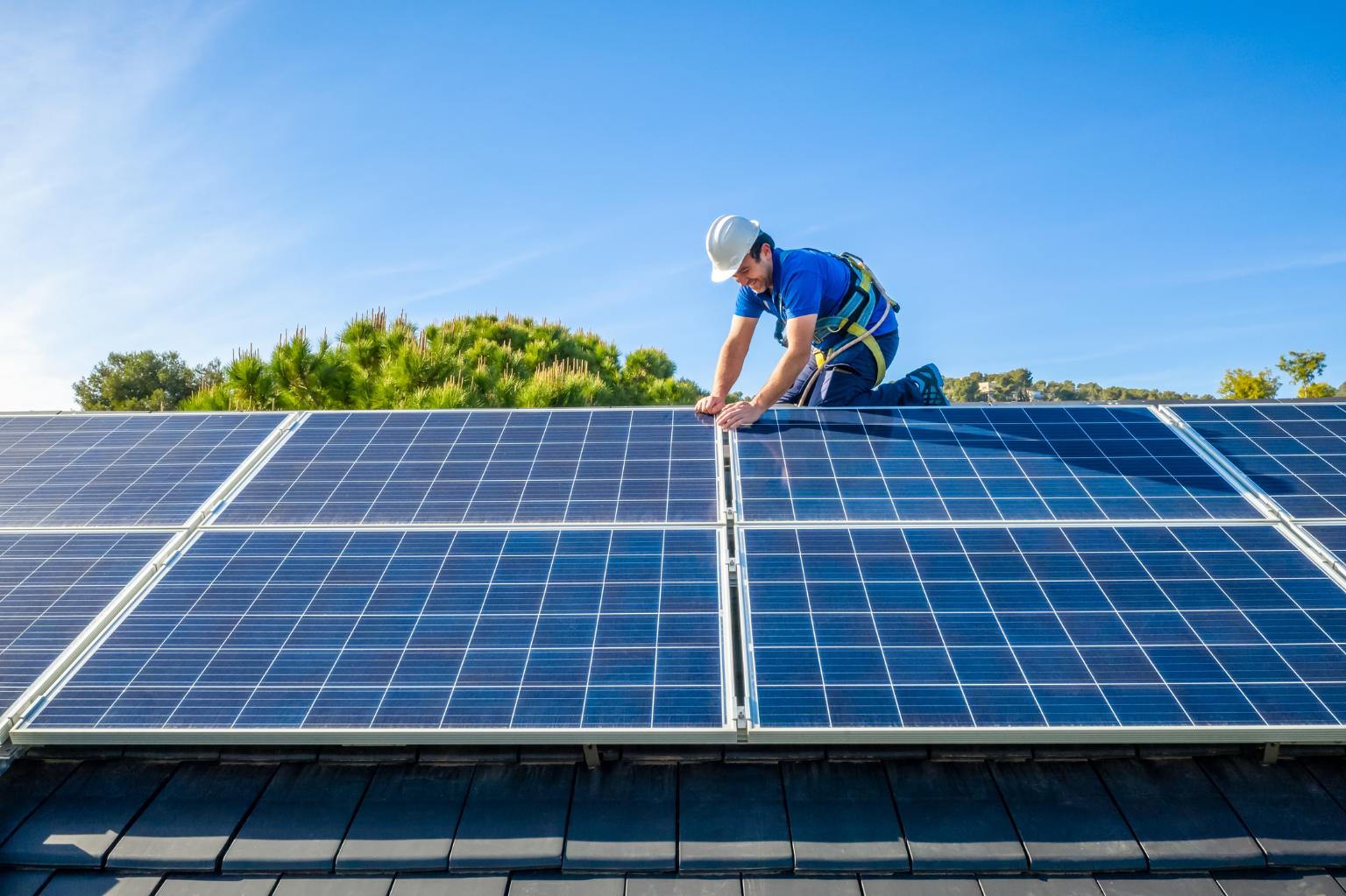
Always check a property’s solar panels, battery system, and backup power — no two homes are alike in Haiku.
Many Haiku homes rely on solar panels, battery storage, and backup generators—sometimes in combination with traditional electric service. Each setup is unique, so buyers should check the following.
Solar panels:
- Confirm the age and condition of the solar array.
- Ask about the panel brand, warranty, and expected lifespan.
- Review documentation of installation and any past repairs or upgrades.
Battery storage:
- Find out the battery type (e.g., lithium-ion), brand, and age.
- Confirm capacity and how much power it can actually store.
- Ask about battery warranties, recent performance, and replacement timeline (most modern batteries last 10–15 years, but this varies).
Backup generator:
- Is there a backup generator? If so, what type and fuel source does it use?
- Check maintenance records, age, and whether it’s included in the sale.
Electrical panel and wiring:
- Check the main electrical panel’s age and condition.
- Look for recent upgrades or changes—ask for documentation.
- Flag outdated or non-permitted electrical work (can affect insurance and financing).
4. Permits and documentation
Haiku properties often include more than just the main house. Ohanas, studios, workshops, and converted spaces are common, but not always fully permitted. Unpermitted or nonconforming structures can impact insurance, financing, and future renovations.
Here’s what to look out for:
- Confirm how each structure is classified in county records and on the property’s official tax map.
- Ask for permits and documentation for all additions, alterations, and converted spaces.
- Clarify whether any spaces are nonconforming, unpermitted, or built under expired permits.
- Check that building permits match the property’s current layout and use.
5. Land and drainage
Most issues concerning land and drainage won’t be visible right away. Plus, these problems affect long-term maintenance costs, foundation stability, and overall usability.
Make it a point to:
- Walk the property to see how water moves and where it collects, especially after rain.
- Look for signs of poor drainage: soggy or eroded areas, standing water, and visible runoff paths.
- Evaluate the condition and effectiveness of retaining walls, grading, and slopes.
- Carefully consider the required upkeep for larger lots — these often require regular vegetation management and tree maintenance.
- Ask about any history of flooding, erosion, or past drainage improvements.
6. Access points, easements, boundaries, and privacy expectations

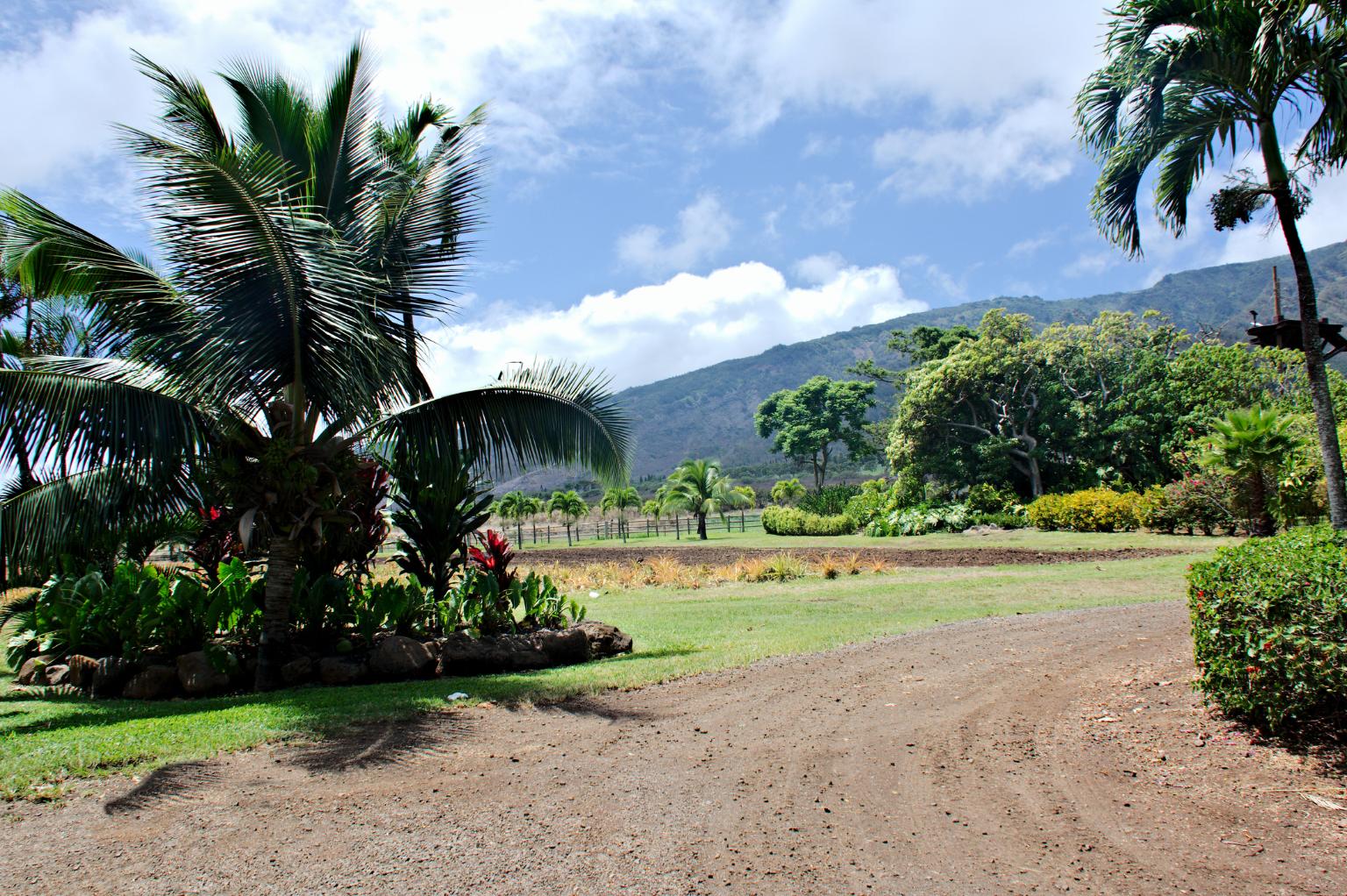
Some Haiku properties rely on shared or private access roads. Legal access and easements should be confirmed early on in the process.
In Haiku, a property’s privacy and usability often depend on the fine print: access roads, shared driveways, easements, and where the actual boundaries lie. These details can make a rural lot feel truly private — or lead to headaches if overlooked.
These are the things you need to sort out:
- Confirm how the property is accessed—determine if the driveway is private, shared, or subject to a recorded easement.
- Verify that legal access is documented in the deed or title report.
- Review all recorded easements for access, utilities, or use by neighbors—ask for copies and clarification as needed.
- Check property boundaries using a recent survey or official county records.
- Understand that listings described as “private” may still involve shared access or easements—don’t assume complete privacy based on marketing language.
- Be clear on who maintains any shared driveways or access roads, and whether costs or responsibilities are spelled out in writing.
7. Climate and moisture
Haiku’s steady rainfall, high humidity, and rapid vegetation growth mean local homes face unique wear-and-tear challenges.
In this environment, it’s absolutely essential to:
- Inspect the roof and gutters for condition, age, and signs of leaks or water damage.
- Check that gutters and downspouts direct water away from the foundation.
- Review ventilation throughout the house — windows, vents, and exhaust fans should allow airflow to reduce humidity.
- Look for dehumidifiers or other moisture-control systems in use.
- Ask about the property’s history with termites — review past treatment records, inspection schedules, and prevention plans.
- Be alert for signs of mold, musty odors, or persistent dampness indoors.
8. Insurance and financing considerations
Insurance availability and lender guidelines can change based on the specific property features on site. Unexpected surprises late in the process can cause delays or even derail the entire real estate transaction.
Make sure to be thorough by:
- Asking if the property is in a designated flood zone—this can affect both insurance costs and loan eligibility.
- Requesting details on current homeowners insurance: cost, coverage, and any challenges with obtaining or renewing a policy.
- Confirming with your lender whether property features like catchment water, septic systems, solar, or multiple structures meet their requirements.
- Checking for any recent claims, non-renewals, or insurance cancellations on the property.
- Addressing insurance and lender questions early, before the inspection period ends, to avoid last-minute issues with closing.
Is it fixable or a deal breaker? How to judge what you find
Not every issue uncovered during due diligence should send you running for the door. What ultimately matters is understanding the scope, cost, and long-term impact of any problems you discover. With the right context and advice, many “problems” are manageable — and some may even give you leverage in negotiations.
Below are some scenarios that are more manageable than initially expected.
- Aging roof or systems: Finding an older roof, aging water heater, or outdated electrical panel is common, especially in rural Maui. These are predictable expenses. You can often negotiate a price reduction or seller credit to help cover future replacements, or simply budget for these upgrades after you move in.
- Additions or conversions with missing permits: It’s not unusual to find ohanas, studios, or enclosed lanais that weren’t fully permitted when built. While this can seem alarming, sometimes it’s just a matter of updating records or applying for after-the-fact permits. Be aware: some lenders or insurers may have stricter requirements, so clarify the impact before moving forward.
- Drainage and land issues: Standing water, erosion, or soggy spots are common in Haiku due to rainfall and lot size. Many fixes — such as grading, installing drains, or reinforcing retaining walls — are straightforward enough, though costs can vary. An experienced inspector or contractor can help you estimate solutions and decide if the problem is routine or a bigger red flag.
FAQs about Haiku, Maui real estate

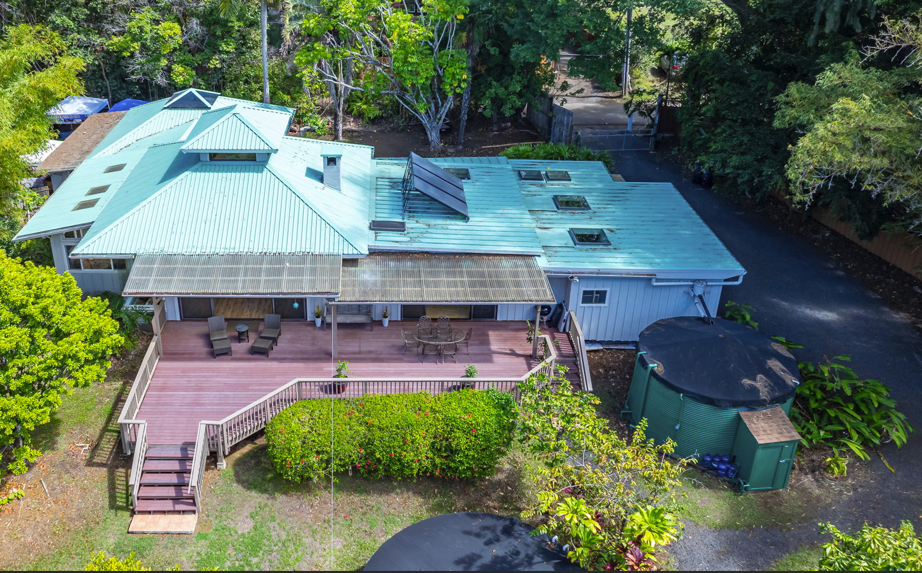
A home inspection covers a significant portion of due diligence, but you’ll also need specialty inspections or system-specific inspections that verify off-grid systems, drainage, access, and documentation.
What does due diligence include when buying a home in Haiku?
Due diligence means checking the home’s structure, water source, septic system, power setup, land access, and any outbuildings. You’ll also want to review permits, insurance requirements, and how the property handles Haiku’s climate—so you know exactly what you’re getting into.
Is a home inspection enough for a Haiku property?
Generally speaking, no. A home inspection covers a significant portion of due diligence, but you’ll also need specialty inspections or system-specific inspections that verify off-grid systems, drainage, access, and documentation. The unique features of rural properties mean extra steps are essential.
Do drainage issues automatically mean a property is a bad buy?
Not always. As discussed, drainage problems are common here, but many are fixable. What matters most is the cost to address them and whether solutions are practical for your lot.
When should I start asking about insurance and financing?
Right away. Confirm insurance and lender requirements as soon as possible to avoid delays or unpleasant surprises.
How long does the due diligence process usually take?
Most buyers in Haiku have a contingency window of 10 to 21 days, starting after the purchase agreement is signed. This is your time to check all systems, review paperwork, and renegotiate or walk away if needed.
What makes Maui real estate different from the mainland?
Maui’s real estate market is shaped by its geography, climate, and local regulations. Many properties rely on private systems for water and power, and lot sizes are often larger than in urban areas. There are also unique considerations for oceanfront, agricultural, and conservation-zoned properties that buyers won’t encounter on the mainland.
Can non-residents buy property in Maui?
Yes. There are no restrictions on property ownership based on residency or citizenship in Hawaii. However, non-resident buyers should be aware of additional tax implications, higher closing costs, and differences in financing options.
What are the typical closing costs for buyers in Maui?
Buyers in Maui should budget for escrow and title fees, lender charges, appraisal and inspection costs, homeowners insurance, and often survey and termite inspection fees. Total closing costs typically range from 1.5% to 2.5% of the purchase price.
Are short-term vacation rentals allowed everywhere in Maui?
No. Short-term vacation rentals (less than 180 days) are heavily regulated and only allowed in designated zones or properties with the proper permits. Many residential neighborhoods prohibit them entirely. Always confirm the property’s current status before purchasing if you plan to rent it out.
What are common ownership types in Maui?
You’ll see both fee simple (full ownership of land and building) and leasehold (you own the building but lease the land) properties in Maui. Fee simple is more common and generally preferred for long-term value and flexibility.
Hassle-free buyer’s due diligence in Haiku with Dave Futch
With more than 35 years of experience in Haiku and Maui’s Upcountry real estate, Dave Futch brings deep, on-the-ground knowledge to every transaction. A Haiku resident since 1988 and a licensed Haiku, Maui real estate agent since 1993, Dave knows how land, infrastructure, and microclimates affect ownership in ways that aren’t always obvious during a showing.
He has seen how properties perform over time through heavy rains, dry stretches, and market changes. He helps buyers evaluate homes with a clear view of costs, risks, and opportunities.
Dave was named Realtor® of the Year in 2016, has ranked in the top 3% of Maui Realtors® multiple years, and has served as a Director with the REALTORS® Association of Maui.
Make your home buying experience in Maui a breeze. Call 808.280.9600 or send an email to get started.